


Italy tours
Rimini and the Adriatic, Venice, Liguria and Tuscany, Rome, Amalfi and Capri, Sicily and Sardinia, Lakes Garda and Como, the Dolomites. Choose a resort and a hotel, map out your trips and save your wishes to plan your tour.
The DAMAX guide to Italy
How to choose a resort and hotel in Italy
Italy is several different holidays in one country: the Adriatic beaches from Jesolo to Rimini, the shores of Liguria and Amalfi, the islands of Sicily and Sardinia, Lakes Garda and Como, and the Dolomites and the Alps in winter and summer. Rome, Florence, Venice and Milan combine easily with the sea or the lakes. So choose the format and season first, then the part of the country, the resort and the hotel.
Read at your own pace. Adding wishes is optional.
Progress shows your reading position. Wishes are saved separately.
Chapter 1 of 6Your holiday style
A holiday in Italy: the sea, cities, lakes or mountains
Start with the format: a week by the sea, the sea with trips to cities, a few days in Rome or Florence, the lakes in summer or the mountains in winter. The part of the country, the resort and the hotel come next.
Beach holiday
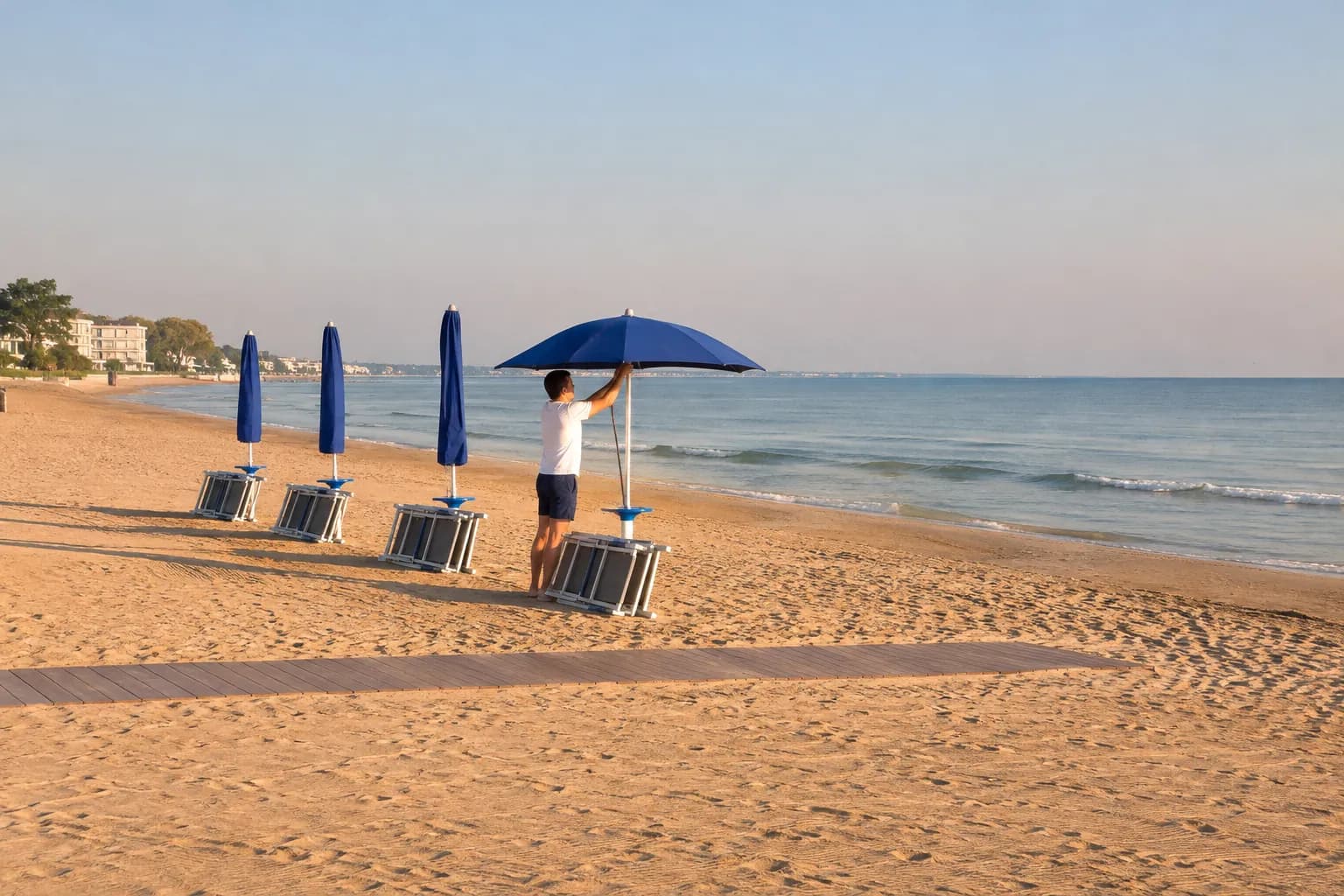
One seaside base for a week or two. Shores differ: sand, pebbles or rocks, paid and free beaches. Pick the coast first, then the hotel.
Holiday with children
Children need a gentle way into the sea, a pool and a short transfer. Pick the coast and season, then a hotel with a kids’ club.
Holiday for two
Quiet coves, dinners overlooking the sea or a lake, adults-only hotels. Quiet depends on the neighbourhood: a seafront, an old town or a village.
Sea and sightseeing
A base on the coast and day trips: to cities and museums, to excavations and volcanoes, to the islands and to wineries.
Cities and art
A few days in Rome, Florence, Venice or Milan: museums, old quarters and food. They fit easily into one trip.
Lakes and summer mountains
Lakes Garda, Como and Maggiore or the Dolomites in summer: boats, trails and lifts. Choose the base by what you want more: water or mountains.
Ski holiday
A week in the Dolomites or the Alps: slopes, ski school and warmth after skiing. Resorts differ in ski area, character and airport transfer.
Food and wine
A trip built around food and wine: winery tastings, markets and cheese dairies, a farm stay among vineyards. It pairs well with cities and lakes.
Chapter 2 of 6Where to stay
Where to stay: the coast, the islands, the lakes or the mountains
First choose the part of the country: the northern Adriatic and Venice, Rimini, Liguria, Tuscany, Rome, Naples with Amalfi and the islands, Puglia and Calabria, Sicily and Sardinia, the northern lakes and cities, or the Dolomites and the Alps. Open an area to compare places: they differ in shore, noise, journey and season.
Below, the resorts and cities from the tour search are grouped by geography together with other places. A search entry can be wider than a beach or a town, and saving a wish does not change the search settings.
Resorts and places inside a card show nearby options to compare, not administrative boundaries.
Venice and the northern Adriatic
Venice with its islands and the Lido, Jesolo and Lignano beaches, Trieste with swimming in town, and spa hotels of Abano and Montegrotto near Padua.
Venice
Historic Venice: 118 islands, over 400 bridges, canals for roads. The Lido, a narrow island between lagoon and sea, has a 12 km beach with paid stabilimenti.
Staying in mainland Mestre means crossing the 3.85 km bridge daily by train, bus or tram.
Lido di Jesolo
15 km of fine sand in three areas: Centro, Faro and Pineta among the pines. Stabilimenti offer entertainment; in the evening, shopping on Via Bafile.
Venice is a day trip by bus, or by bus and boat via Punta Sabbioni.
Lignano
8 km of golden beach and a calm, shallow sea, with beach entertainment. Three parts: Sabbiadoro, Pineta and Riviera; the Marano Lagoon on the other side.
Shopping and nightlife are in Sabbiadoro; Pineta and Riviera, among the pines, are quieter.
Trieste
People swim right in town: Barcola’s seafront has 10 free bathing terraces, the Topolini, with showers and ladders into the sea; two small pebble beaches by the first.
Free beaches with few or no services lie in coves below the Strada Costiera, down steep paths.
Resorts and places nearby
Udine
Once the capital of medieval Friuli, with a castle hill over the centre, Piazza Libertà recalling long ties with Venice, and many bookshops and historic osterie (wine taverns).
Arcaded Piazza Matteotti is the place for coffee or an evening aperitivo.
Abano Terme
Every hotel has its own thermal department: thermal-water pools, mud treatments, massage and spa. The centre has a pedestrian zone with shops and restaurants.
Abano sits at a crossroads of art cities: Padua, Venice, Verona and Ferrara.
Resorts and places nearby
Montegrotto Terme
Abano’s neighbouring spa town has excavated Roman baths with three pools, and from Villa Draghi starts one of the main trails of the Euganean Hills.
The Terme Euganee railway station is in Montegrotto, with trains to Padua.
Rimini and Emilia-Romagna
110 km of sandy Romagna Riviera beaches; the bases chosen are Rimini, Riccione, Ravenna and Pesaro in neighbouring Marche, plus inland Bologna and Parma.
Rimini
15 km of fine sand and a shallow sandy seabed, lined by over 200 stabilimenti with play areas and sport; San Marino on Mount Titano is close.
Free beaches with lifeguards are short stretches between stabilimenti; the one with showers is by the harbour.
Resorts and places nearby
Riccione
Rimini’s southern neighbour. Its heart is Viale Ceccarini with boutiques, plus a pedestrian seafront; 130 barrier-free stabilimenti and 13 free beaches.
Evenings mean beach bars by the mouth of the Marano river and discos in the hills.
Ravenna
A city of mosaics with eight UNESCO monuments. A few kilometres away: 35 km of sandy coast, nine beach villages by pine woods and over 200 stabilimenti.
In summer, free car parks and buses serve the Marina di Ravenna and Punta Marina beaches.
Pesaro
Rossini’s home town in neighbouring Marche, set between two coastal hills. 7 km of sand with stabilimenti and wide free beaches, easy to reach from the centre.
Wild coves lie below the San Bartolo cliffs, reached on foot.
Bologna
Bologna Centrale takes regional and high-speed trains, linked to the airport by the Marconi Express monorail; the Romagna Riviera, Florence and Venice are close.
The centre suits walking: 42 km of porticoes shelter you from rain and sun.
Parma
On the Via Emilia between the Po plain and the Apennines, close to art cities and the sea; a ‘small capital’ known for Verdi and Toscanini.
Evenings start with an aperitivo on pedestrian Strada Farini and in the Oltretorrente district.
Liguria
A railway links the resorts of both Rivieras, west and east of Genoa; fly to Genoa or to nearby Pisa or Nice.
Sanremo
A Riviera resort town known as the “City of Flowers”: an elegant centre, the hilltop old town of La Pigna, the Ariston theatre and the casino.
A seaside cycle path on the old railway runs to nearby towns, with bike hire points along it.
Resorts and places nearby
Bordighera
A palm town, loved by the English a century ago, with the Riviera’s longest seafront promenade; the walled medieval old town sits on the hill above Cape Ampelio.
Monet painted here; the Pallanca garden holds a large collection of cacti and succulents.
Alassio
Long, wide Baia del Sole beaches of very fine sand shelve gently, handy with small children; the seafront has restaurants, bars and live music.
The largest free beach lies past the marina; the station is central; fly to Genoa or Nice.
Diano Marina
Many fine-sand beaches with shallow water suit families. Modern paid beach clubs (stabilimenti) offer beach volleyball, surfing and canoeing.
Long promenades lead to neighbouring resorts; summer evenings bring festivals and events for all ages.
Genoa
A port city with an airport, old centre and museums. Downtown, only small passages reach the sea; swim at tiny Boccadasse beach or off Nervi’s rocky shore.
Beaches are minutes away by city transport, train or boat; there are free and paid ones.
Rapallo
A well-known Gulf of Tigullio resort: seafront, sea castle, old centre. Swim at San Michele di Pagana, a natural cove with clear water.
Boats run to Portofino and San Fruttuoso, and on full-day trips to the Cinque Terre.
La Spezia
A city on the Gulf of Poets: frequent local trains run from here to all five Cinque Terre villages; in spring and summer, daily boats serve four.
Sandy beaches lie on the gulf’s eastern shore, at Lerici and San Terenzo; the city centre is pedestrianised.
Ligurian Coast
West of Genoa, on the Riviera di Ponente, sandy beaches prevail; to the east, on the Riviera di Levante, cliffs and small coves.
Smaller resorts: Varazze, Noli and Laigueglia to the west; sandy Sestri Levante and Moneglia to the east.
Tuscany
Art cities, the Chianti and Val d’Orcia hills, Montecatini’s spas, the Versilia and Livorno coast; fast trains between cities, buses to the villages.
Florence
Trains make it easy to reach Arezzo, Lucca and the sea at Viareggio; San Gimignano and Volterra are easier by bus.
The centre’s tourist areas are all a camera-controlled ZTL; staying inside, give reception your plate number.
Pisa
Tuscany’s main airport, Galileo Galilei, is a few km away. Besides the Piazza dei Miracoli, Pisa has the Arno embankments and lively, student-filled Piazza delle Vettovaglie.
The sea is 11 km away at Marina di Pisa, a former fishing village turned beach resort.
Lucca
A medieval city inside intact 16th-17th-century walls: over 4 km with 10 bastions and views over the city. Via Fillungo has the smart shops.
Every October, Lucca Comics & Games draws crowds of visitors from around the world.
Siena
A city on three hills; its medieval centre still looks as it did in the 1300s. Twice a year the Palio horse race fills Piazza del Campo.
Day trips: San Gimignano by bus, Monteriggioni castle and the ‘lunar’ Crete Senesi hills.
Arezzo
A hilltop city above four valleys in south-east Tuscany; the Basilica of San Francesco holds Piero della Francesca’s frescoes, and Vasari’s loggia frames Piazza Grande.
Trains from Florence; on the first weekend of each month Piazza Grande hosts an antiques fair.
Rural Tuscany
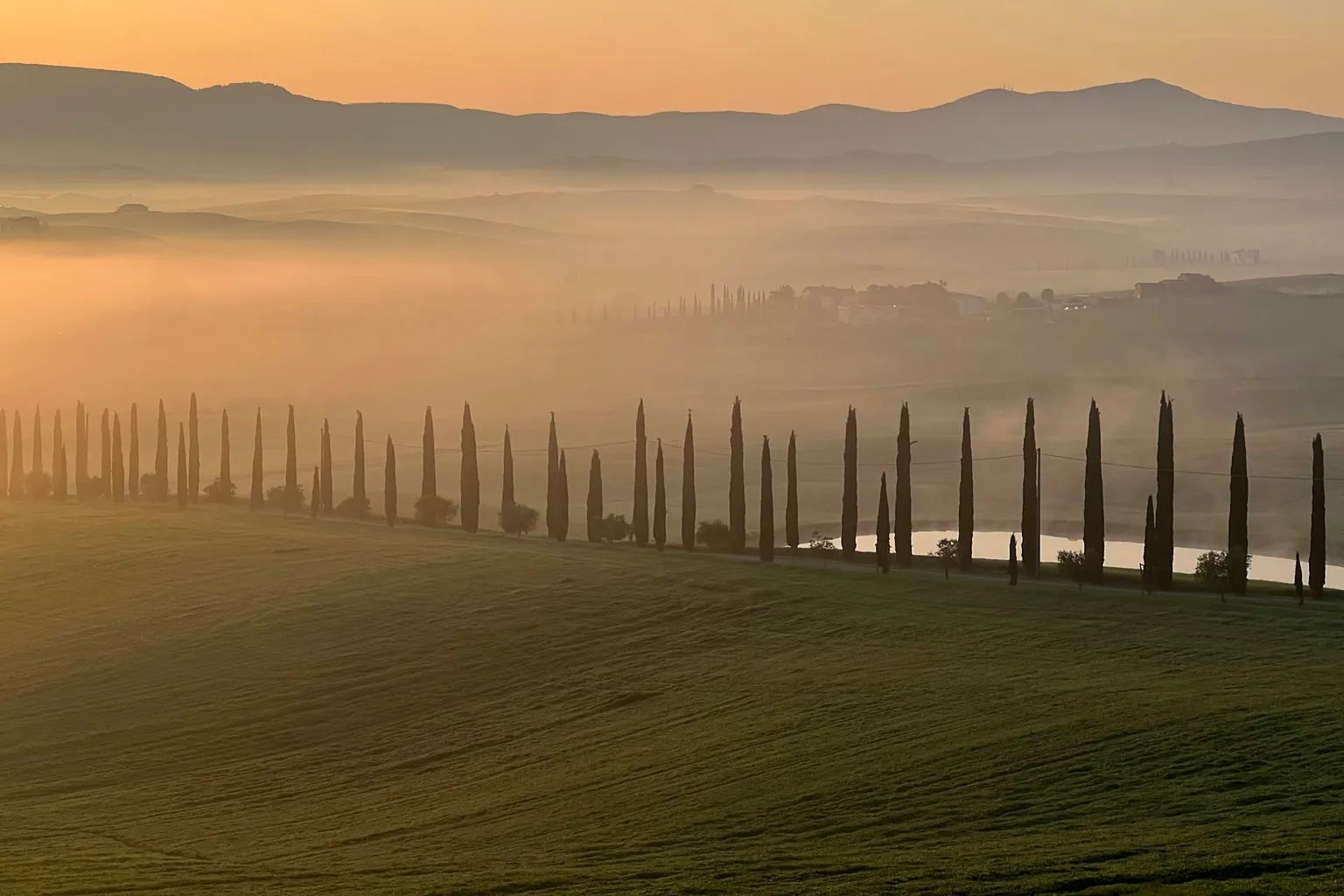
An agriturismo is a farm hosting guests, often with riding, tastings and pools. Choose the gentle Chianti hills or cypress-lined Val d’Orcia south of Siena.
Buses run from stations to the villages; the Chiantigiana road crosses Chianti from Florence to Siena.
Montecatini Terme
A Valdinievole spa town: Tettuccio, Redi and other spa complexes sit in parks, with a thermal pool. Art cities and Tuscany’s two main airports are within easy reach.
A funicular with red cars from the late 19th century climbs to old Montecatini Alto.
Viareggio
Versilia’s main town: an art nouveau seafront, and the town’s first beach club (stabilimento) opened in 1828. Towards Torre del Lago lies the wilder Lecciona beach.
The Versilia coast has about 20 km of sandy beaches and a busy summer nightlife.
Forte dei Marmi
A luxury Versilia resort with designer boutiques: upmarket beach clubs with wooden cabins line the shore, with golden sand and shallow water that suits children.
Visitors stroll the pier, once used for loading marble; Terme della Versilia spa is a few km away.
Livorno
A Medici port city with canals in the Venezia quarter and the Terrazza Mascagni by the sea. Summer swims: Romito’s rocky coves, Quercianella and Calafuria.
Ferries sail daily from Livorno to the islands, including Corsica and Capraia.
Rome and central Italy
Rome, the Lazio beaches on the Tyrrhenian Sea and Umbria with Perugia and Spello: we chose the main bases, not every small town.
Rome
Roma Termini station in the centre is the country’s largest, linking metro lines A and B, with a direct train to Fiumicino Airport.
For evenings, Trastevere and Monti have bars and restaurants; elegant Prati sits by the Vatican.
Tyrrhenian coast
Over 300 km of Lazio coast. Near Rome, low sandy shores with paid stabilimenti at Ostia and Anzio; to the north, dark volcanic sand and pines.
In southern Lazio, Sabaudia has white sand, dunes, long free beaches and wooden walkways to the sea.
Perugia
Umbria’s capital on a hill above the Tiber valley: a medieval city inside massive walls, a university over 700 years old and lively student life.
Cycle paths and routes lead from here to Assisi and Lake Trasimeno.
Resorts and places nearby
Spello
A small town on a spur of Mount Subasio: sandstone houses, narrow medieval lanes, Roman walls and gates, and infiorate, petal carpets for Corpus Domini.
Trails over Mount Subasio lead on foot to Assisi.
Naples, Amalfi and the islands
Around the bays of Naples and Salerno: Naples and its port, cliff-top Sorrento, the steep Amalfi Coast, Capri, Ischia and Cilento.
Naples
A city on the bay facing Vesuvius: a seafront, a UNESCO-listed old centre teeming with life, and street food.
Boats leave the port by the old centre for the islands and Sorrento; Pompeii is close too.
Resorts and places nearby
Pompeii
A town with three entrances to the archaeological park, on the Naples-Salerno line. From Pompei station, Pompei Link combines train and bus to reach the park.
For the Anfiteatro entrance, use Pompei Santuario station on the Circumvesuviana Naples-Poggiomarino line.
Sorrento
A town on a cliff above the Bay of Naples, facing Vesuvius. The central beaches are tiny, with volcanic sand, mostly on wooden platforms over the water.
With children, try Marina di Puolo near Sorrento: grey sand, pebbles and shallow water.
Amalfi Coast
The SS163 road links towns on steep slopes from Positano to Vietri sul Mare. Many steps, Ravello on a hill, and small pebble beaches between cliffs.
In Amalfi town, the easiest beach to reach is Marina Grande: sand and fine pebbles, good with children.
Salerno
A province with the city of Salerno on its gulf, ancient Paestum and the Cilento coast: around a hundred kilometres of cliffs, caves and fine-sand beaches.
In season, boats run from Salerno to Capri, Ischia and the Cilento coast.
Capri
An island of cliffs and terraces explored on foot: from Marina Grande port a funicular climbs to the Piazzetta, where the paths begin. Marina Piccola beach is rocky.
Boats run from Naples and Sorrento; the island deserves more than a rushed day trip.
Ischia
Campania’s largest island, with six municipalities; Ischia town has historic Ischia Ponte and the fishing village of Ischia Porto. Thermal spas abound; boats and ferries sail from Naples.
Maronti beach runs 3 km around a bay; nearby Fumarole has hot sand and a gently sloping seabed.
Puglia and Calabria
Puglia between the Adriatic and Ionian seas - seafront cities, the Itria Valley, Salento, Gargano - and Calabria: we chose the main bases, not every resort.
Bari
Puglia’s capital, a lively port and university city. The old town, Bari Vecchia, lies between two harbours and opens onto a long Adriatic seafront.
The free city beach is by the seafront: sand to the north, pebbles and gravel to the south.
Resorts and places nearby
Polignano a Mare
A town on a high cliff above the Adriatic: old white houses with sea caves below. Tiny Lama Monachile beach, between the rocks, is always crowded in summer.
For swimming, try the coves of Ponte dei Lapilli and Porto Cavallo towards Bari.
Itria Valley
A valley spanning the provinces of Bari, Brindisi and Taranto: white towns, olive groves on red earth and trulli, stone houses with conical roofs.
Masserie are old farm estates among the olives; many host guests as agriturismi.
Brindisi
A port city with Roman remains and an old centre for strolling; a motorboat crosses the harbour to the residential Casale district.
A handy hub: trains and Salento Airport, plus ferries to Greece and Albania.
Lecce
The heart of Salento, with a baroque centre of pale local stone and beaches a few kilometres away. The peninsula lies between the Adriatic and Ionian seas.
Gallipoli, on the Ionian side, has sandy beaches with stabilimenti and discos right on the shore at night.
Taranto
On the Ionian Sea at the head of its gulf, between the Mar Grande and Mar Piccolo: an island old town and a seafront facing the Cheradi islands.
For a beach day, Marina di Ginosa has a long beach among pines on the Ionian Sea.
Foggia
A city in the middle of the Tavoliere plain, between the Gulf of Manfredonia, the Gargano promontory and the Daunia mountains, with hypogea beneath the old centre.
For the sea, head to the Gargano: Vieste has two long white-sand beaches.
Calabria
Between the Tyrrhenian and Ionian seas. On the Tyrrhenian side: dark sand at Praia a Mare in the north, white beaches on the Costa degli Dei.
On the Ionian side, the Gulf of Squillace: fine sand between granite headlands at Copanello.
Resorts and places nearby
Tropea
A small town on a rock above the sea, known for its beaches and a seabed ideal for diving; small restaurants in the old centre serve fish.
The sand is pale, and the Aeolian Islands, visible from the shore, can be reached from Tropea.
Sicily and Sardinia
On both islands we show the main holiday bases rather than every resort: towns with beaches on Sicily, coves and sandy coasts on Sardinia.
Sicily
The island’s shores vary widely: white, golden and volcanic sand, small and large pebbles, coves and cliffs. So pick your base by stretch of coast.
Fly into Palermo for the west of the island, and into Catania for the east and Etna.
Resorts and places nearby
Taormina
A terrace town above the sea: car-free Corso Umberto, an ancient theatre facing Etna. A cable car drops to the sea at Mazzarò, near Isola Bella.
For sandy beaches, head to nearby Giardini Naxos, a lively resort in a hill-sheltered bay.
Cefalù
A small town on the north coast, about an hour from Palermo on the A20. Its medieval centre lies below a 270 m rock, with a Norman cathedral.
The town beach is sandy and suits a holiday with children.
Syracuse
The old town, Ortigia, is an island linked to the rest of Syracuse by a bridge, with baroque Piazza Duomo, a market and sea-view restaurants.
In the Vendicari reserve near Noto, Calamosche is a 200 m cove between rocks with calm water.
Palermo
Sicily’s capital: the Vucciria, Ballarò and Capo street-food markets become evening meeting places. The city’s main beach is Mondello, with white sand and turquoise water.
From May to September, Mondello beach is set up with loungers, parasols and wooden cabins.
Sardinia
Each part has its own shore: small coves in the north-east, white beaches and cliffs in the north-west, mistral and dunes in the west.
Airports: Cagliari for the south, Olbia for the north-east, Alghero for the north-west.
Resorts and places nearby
Costa Smeralda
A north-east coast of small coves with fine pale sand among granite rocks and turquoise water; Porto Cervo has the marina, boutiques and nightlife.
With children, try Capriccioli, sheltered from the mistral: its eastern beach has a shallow sandy bottom.
Chia, Pula and Villasimius
Near Cagliari there are two coasts: Pula and Chia with kilometres of sand, dunes and shallow water; Villasimius with beaches around a marine protected area.
On Su Giudeu beach in Chia, free stretches alternate with equipped ones; the mistral draws surfers.
Alghero
A town with a walled Catalan old centre and Fertilia airport. San Giovanni beach is right in town; sandy Le Bombarde and Lazzaretto lie outside it.
For calm sea, go to Mugoni, a fully sheltered beach in the bay of Porto Conte.
Lakes and northern cities
Lakes Garda, Como and Maggiore lie by the Alps and have scheduled boat services; Milan, Bergamo, Brescia, Verona and Turin are the north’s cities of art.
Lake Garda
Italy’s largest lake: Sirmione’s spas, lively Desenzano and amusement parks near Lazise in the south; Riva del Garda between lake and Brenta Dolomites in the north.
Windsurfers and sailors head north: a morning northerly, the Pelèr, then the afternoon Ora from the south.
Lake Como
Boats link the villa towns on the lake’s two branches. Bellagio sits on the central headland; Varenna is a fishing village of steep lanes on the east shore.
Only the central ferries carry cars across the lake, including those between Bellagio, Cadenabbia and Menaggio.
Lake Maggiore
Its shores are in Lombardy, Piedmont and Switzerland, with mountains blocking cold northern winds. From villa-lined Stresa, the Borromean Islands are easy to reach.
Isola dei Pescatori has narrow lanes, inns serving the day’s catch and, in season, a swim.
Milan
Capital of fashion, innovation and design, where shopping rivals the museums. Flights land at Linate, the city airport, or at Malpensa, an intercontinental hub in Varese province.
The historic centre is Area C: on weekdays cars pay to enter, with cameras at the gates.
Bergamo
The walled Upper Town, with four gates, crowns a hill; the Lower Town lies below. A bus links Milan Bergamo Airport with the station and Upper Town.
Driving and parking are banned in the Upper Town’s historic core; hotels request access passes for guests.
Brescia
Between Milan and Verona: a castle on Cidneo hill, the Roman Capitolium and Santa Giulia museum. The province spans shores of Lakes Garda and Iseo.
Drivers can park free by the castle; from Milan there are high-speed trains too.
Verona
Verona lies on loops of the Adige, not far from Lake Garda. Its Roman Arena on Piazza Bra is an open-air opera stage, near Juliet’s House.
The Arena’s opera festival runs in summer; on days without shows you can tour the amphitheatre.
Turin
Italy’s first capital, on the Po at the foot of the western Alps: royal residences, museums, historic cafés, arcaded streets and over 300 km of tree-lined avenues.
The Torino+Piemonte Card covers entry to the main museums without separate tickets.
Dolomites and Trentino
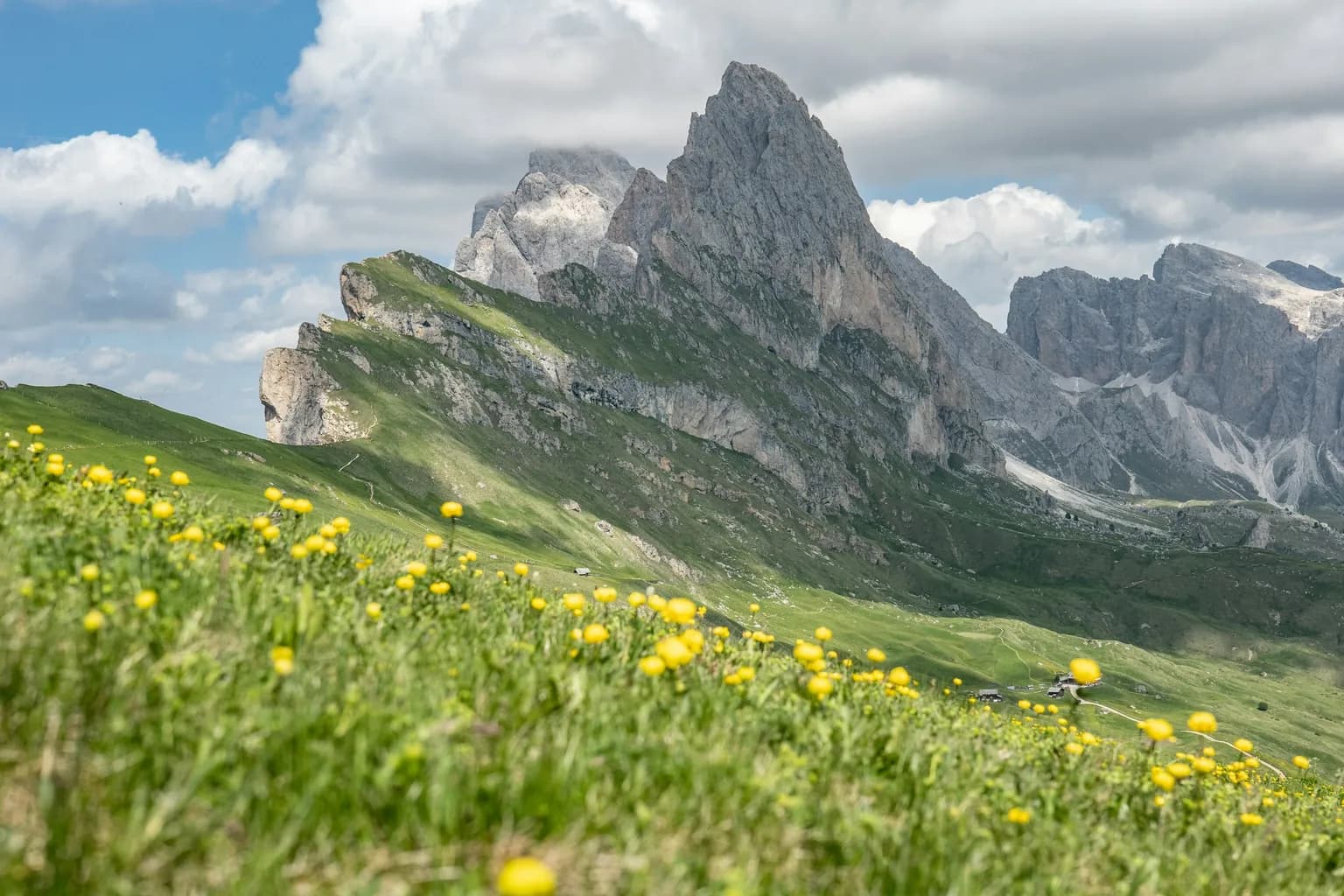
Dolomiti Superski valleys on one ski pass for 12 areas, Trentino resorts from Tonale to Folgaria, and city bases Bolzano and Trento; summer trails.
Val Gardena
Three Ladin villages, Ortisei, Santa Cristina and Selva, in Dolomiti Superski: over 500 km of runs within reach and the Sellaronda circuit; lifts run December to early April.
The 44 km Sellaronda suits average skiers; start by 10 a.m. to finish before the lifts close.
Resorts and places nearby
Ortisei
A lively woodcarvers’ village in the middle of the valley, with a pedestrian zone of shops and cafés and direct access to Dolomiti Superski and the Sellaronda.
In winter a gondola from here reaches the Alpe di Siusi, whose gentle slopes suit beginners and children.
Val di Fassa
Six ski areas in Dolomiti Superski with 195 km of runs and access to the Sellaronda circuit; the season runs from December to late March or early April.
In summer the cable cars, gondolas and chairlifts usually run from late May to early October.
Resorts and places nearby
Canazei
One of the valley’s main resorts, at 1,465 m between the Sella and Marmolada: from the centre, skiers reach Belvedere, Ciampac and the Marmolada; bars open late.
Belvedere’s slopes are busy and mostly red, so beginners learn on the training lift in the village.
Campitello di Fassa
The valley’s first tourist and mountaineering village, at 1,450 m, with old wooden verandas; a cable car climbs to Col Rodella and the Sellaronda runs.
The three-cable 3S gondola lifts you from the village to Col Rodella in under six minutes.
Pozza di Fassa
A village at 1,320 m: a cable car from the centre serves the Buffaure runs, and wellness centres use Trentino’s only sulphur spring, the Aloch.
In summer: peaceful family walks and Val San Nicolò with its meadows and mountain huts.
Val di Fiemme
One Fiemme-Obereggen ski pass covers five ski areas and over 110 km of runs; spruce from the local forests becomes soundboards for violins and pianos.
Winter: the Marcialonga cross-country trail and floodlit Lago di Tesero stadium; summer: a valley cycle path.
Cortina d’Ampezzo
66 runs and 26 cable lifts, many open to walkers too; the valley ski pass, shared with San Vito and Auronzo-Misurina, covers 120 km of runs.
In summer the lifts carry you to viewpoints, trails, via ferrata routes and mountain-bike descents.
Bolzano
South Tyrol’s capital, at 265 m in a mountain basin: the station is two minutes’ walk from Walther Square; cable cars climb to the Renon and Colle.
A 1, 3 or 7-day Mobilcard covers public transport in South Tyrol and regional trains to Trento.
Trento
Capital of the Trentino-Alto Adige region: Piazza Duomo is ten minutes’ walk from the station; a cable car near the centre climbs to a city viewpoint.
The Monte Bondone ski area is 25 km away, with wide runs suited to beginners and families.
Paganella
The Andalo and Fai della Paganella plateau below the Brenta Dolomites: 50 km of runs, 11 km of them easy ones for children, and four beginner areas.
From May to October the lifts carry mountain bikers; Lake Molveno is close by.
Folgaria
A village of German-Cimbrian roots at 1,170 m with a pedestrian boulevard of shops and cafés; its ski area with Lavarone has 104 km of runs.
In summer there is an 18-hole golf course at 1,200 m and a bike park.
Madonna di Campiglio
An elegant town at 1,550 m between the Brenta Dolomites and Adamello glaciers: Skiarea Campiglio has 157 km of runs with Pinzolo and Folgarida-Marilleva, November-April.
Campo Carlo Magno has 22 km of cross-country trails; in summer, hundreds of kilometres of hiking paths.
Resorts and places nearby
Pinzolo
A town on the floor of Val Rendena: a cable car climbs to Doss del Sabion (2,100 m), with views of the Brenta Dolomites and Adamello.
A gondola reaches the Campiglio slopes in 12 minutes; in summer, hikes lead into Val di Genova.
Val di Sole
A valley running over 40 km along the Noce: four gondolas climb from it to Folgarida-Marilleva in Skiarea Campiglio, with Pejo and Passo Tonale nearby.
The Trento-Malé-Mezzana train stops by the Daolasa gondola; in summer there is rafting on the Noce.
Resorts and places nearby
Passo Tonale
A pass at 1,884 m between Trentino and Lombardy: the Adamello Ski area with Ponte di Legno has over 100 km of runs, including the Presena glacier.
Skiing on the Presena glacier usually lasts into late spring; children learn in the Fantaski area.
Alps of Lombardy, Aosta and Piedmont
Alpine resorts: Bormio and its spas, duty-free Livigno, Aosta with Courmayeur below Mont Blanc and Cervinia below the Matterhorn, and Sestriere, with runs into France.
Bormio
An old town at 1,225 m in the Stelvio park: over 50 km of runs, one descending from 3,012 m to Bormio itself, and ancient spas.
Three ski areas open in winter and one in summer, on the Stelvio glacier.
Livigno
A duty-free zone on the Swiss border: over 250 shops and 115 km of runs on both sides of the valley, at 1,800-2,900 m.
Leaving for the EU: tobacco, alcohol and fuel have quotas; other goods up to €300 from age 15.
Aosta
The regional capital, at 580 m, with a pedestrian centre: a gondola near the station climbs in under 20 minutes to Pila’s 70 km of runs.
The Pila gondola runs in summer too, for walks and mountain-bike descents.
Resorts and places nearby
Courmayeur
A town at 1,224 m with 33 runs on Chécrouit and Val Veny up to 2,755 m; the Mont Blanc Tunnel leads to Chamonix, France.
In summer a gondola carries walkers up to Chécrouit, which has a heated pool at 1,750 m.
Cervinia
Breuil-Cervinia, at 2,050 m below the Matterhorn: 157 km of runs with Valtournenche, and via Plateau Rosà a descent to Swiss Zermatt, 352 km in all.
Summer skiing on the Plateau Rosà glacier depends on the snow and can be suspended.
Sestriere
A resort since the 1930s that hosts Ski World Cup races; the Via Lattea area has 400 km of runs up to 2,800 m, French Montgenèvre included.
Not just a winter resort: in summer there is a golf course, cycling and hiking.
Those words are not in this guide yet. Try a place name or clear the search to see every option.
The airport and the road to your base
Choose the airport with your base in mind: Venice for the city itself, Jesolo and Cortina, Bologna for Rimini, Pisa for Florence, Naples for Sorrento, Bari for the Itria Valley, Milan and Verona for Lakes Como and Garda, Catania for eastern Sicily and Olbia for north-east Sardinia.
From the airport to your base
Each diagram shows a typical route from the airport to your base. Distances and times appear where an official source publishes them: a guide, not a guarantee, and timetables and seasonal lines change.
Central Venice
- Venice Airport (VCE)
- Alilaguna boat or bus
- Central Venice
Alilaguna boats sail from the airport across the lagoon to San Marco and Santa Lucia station. The AeroBus takes about 20 minutes to Piazzale Roma, where ACTV city transport continues into the historic centre.
Lido di Jesolo
- Venice Airport (VCE)
- ATVO bus
- Lido di Jesolo
ATVO buses link the airport with Lido di Jesolo, as well as Caorle, Bibione and Lignano. Tickets for these lines are sold online, in the operator’s app and at authorised retailers.
Rimini
- Bologna Airport (BLQ)
- Shuttle to Rimini station
- Rimini
Rimini is about 120 km from the airport. A direct shuttle runs daily to Rimini station in about 90 minutes; alternatively, take the Marconi Express monorail to Bologna station, then a train.
Florence
- Pisa Airport (PSA)
- Shuttle to Pisa station
- Train to Florence
- Florence
The Pisamover shuttle reaches Pisa Central station in about 5 minutes, with direct, frequent trains on to Florence. Florence’s own airport is 5 km from the centre, about 20 minutes by T2 tram.
Central Rome
- Fiumicino Airport (FCO)
- Leonardo Express train
- Central Rome
The Leonardo Express runs non-stop to Roma Termini in about 32 minutes. You can pay by contactless card at the ticket gates; one child aged 4-11 travels free with each paying adult.
Sorrento and the Amalfi Coast
- Naples Airport (NAP)
- Curreri bus to Sorrento
- SITA coastal bus
- Positano or Amalfi
The Curreri bus runs from the airport via Pompeii to Sorrento station; in high season, traffic can make the trip longer. From Sorrento, SITA buses follow the coast to Positano and Amalfi.
Itria Valley
- Bari Airport (BRI)
- Train to Bari Centrale
- Trulli Link bus
- Itria Valley
A train runs from the airport to Bari Centrale in about 15 minutes. From the FS Park terminal there, the Trulli Link bus goes via Alberobello and Locorotondo to Martina Franca.
Taormina and Syracuse
- Catania Airport (CTA)
- Intercity bus
- Taormina or Syracuse
Etna Trasporti buses link the airport with Taormina and Giardini Naxos, and Interbus coaches with Syracuse and Noto.
Costa Smeralda
- Olbia Airport (OLB)
- Rental car
- Costa Smeralda
Olbia airport is about 10 minutes from the town centre. To explore the coast freely, rent a car at the airport: book it ahead in high season, and expect busy seaside roads in summer.
Milan and Lake Como
- Malpensa Airport (MXP)
- Malpensa Express to Milan
- Train to Como Lago
- Lake Como
Malpensa Express reaches Cadorna station in central Milan in about 38 minutes from Terminal 1 and 44 from Terminal 2; some trains run to Milano Centrale. Como Lago is about an hour from Cadorna.
Lake Garda
- Verona Airport (VRN)
- Airlink bus to the station
- ATV bus to the lake
- Lake Garda
The Verona Airlink bus takes about 15 minutes to Porta Nuova station, where daily ATV buses leave for Lazise, Bardolino, Garda and Malcesine. Seasonal line 482 runs from the airport to the southern shore.
Cortina d’Ampezzo
- Venice Airport (VCE)
- Intercity bus
- Cortina d’Ampezzo
Cortina is 162 km from Venice Airport. Cortina Express, FlixBus and ATVO buses run to the ice stadium; ATVO seats must be booked with the ticket, and more trips run in winter and summer.
Chapter 3 of 6Hotels
Hotels by the sea, in cities, on the lakes and in the mountains
From family hotels by the sea and the masserie of Puglia to hotels on the Amalfi cliffs, on the lake shores and by the ski lifts. Each card says who the hotel suits and what to know before booking. This is a selection to compare, not a ranking or a confirmation of free rooms.
Venice and the Adriatic
In Venice, new openings in historic buildings; by the beaches of Jesolo, Lignano, Rimini and Riccione, family-friendly hotels; thermal spas in Abano and Montegrotto.
Orient Express Venezia
A 15th-century palazzo where two canals meet in quiet Cannaregio, now a hotel for the first time: 47 rooms, suites and residences, a secret garden and a spa.
You can arrive on the hotel’s own boat, which pulls up right at the Gothic water gate.
Airelles Palladio
A 5-star on Giudecca facing St Mark’s Square: four historic buildings set in a hectare of gardens, with 17 rooms, 28 suites and a three-bedroom villa.
Concierge experiences on the weekly schedule are included; at other times they run privately for an extra charge.
Falkensteiner Hotel & Spa Jesolo
A year-round 5-star on Jesolo’s seafront: its beach club has an umbrella and two sunbeds per room; family rooms, a spa with pools, B&B or half board.
The kids’ club (ages 3-12) runs from spring to mid-October and on public holidays.
Hotel Bella Venezia Mare
A family 4-star in Lignano Pineta, 100 m from the sea: a pool with a shallow children’s area, a playroom, and quadruple and connecting rooms.
Free daily kids’ entertainment on the beach is run by the beach operator, not the hotel.
AbanoRitz
A family-run 5-star in Abano Terme: a 6,000 m² park, indoor and outdoor thermal pools at 33-36 °C, B&B, half or full board.
Children swim only with their parents; saunas, the Turkish bath and the gym are off-limits to them.
Terme Preistoriche Resort & Spa
A family-run 4-star from the early 20th century in Montegrotto Terme: a 5-hectare park, 47 rooms, new eco lodges and four thermal pools, two of them indoors.
The Panoramic pools are for hotel guests until evening; the Chalet pools also admit day visitors.
Grand Hotel Rimini
A historic 5-star on Rimini’s seafront, opened in 1908: a national monument since 1994 and the hotel of Fellini’s Amarcord, open all year, with a spa.
Pool sunbeds are free, beach ones cost extra; the mini club runs only in July and August.
Hotel Belvedere Riccione
A family 4-star in Riccione, 50 m from the beach: the Be Friends team runs baby, mini and teen clubs, plus a pool and a spa.
The spa is included in the room rate, but only guests aged 16 and over may enter.
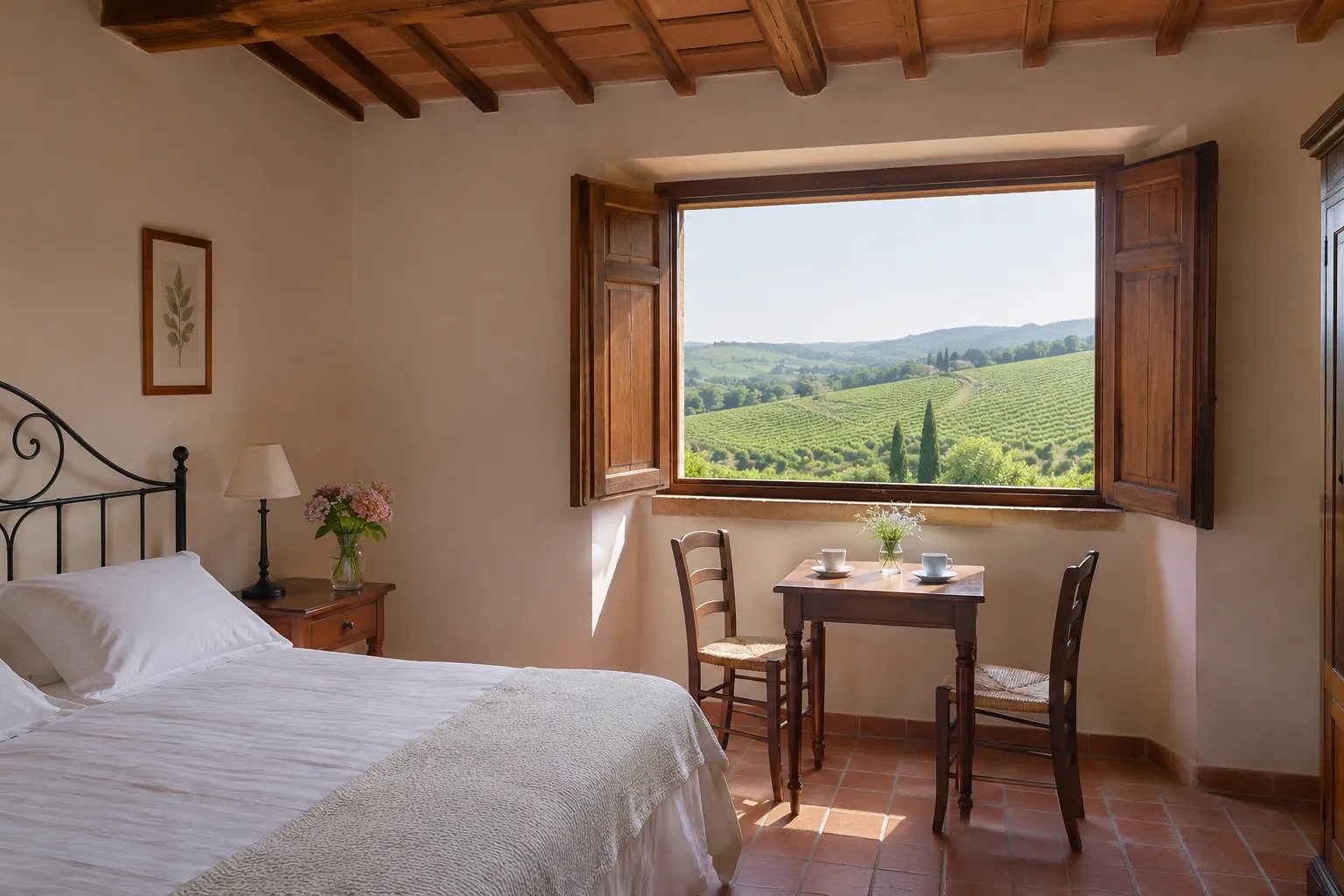
Liguria and Tuscany
The Riviera with a kids’ club and loungers included, a 14+ Cinque Terre hotel, a Chianti agriturismo, a new Florence hotel and a Genoa announcement.
Splendido, A Belmond Hotel
A former Benedictine monastery on the hillside above Portofino, renewed after three years of restoration: a seawater pool and a Dior spa, but no beach club.
Central Portofino is a 10-15-minute walk downhill or a free shuttle ride; valet parking is free.
Sofitel Genoa Waterfront
A 120-room Sofitel with 20 suites is planned for a new district on Genoa’s waterfront, designed by Renzo Piano’s studio, with a pool and a spa.
It will make a handy base for trips to Portofino and the Cinque Terre.
Grand Hotel Alassio
A 5-star hotel on the seafront in central Alassio with direct access to a guests-only beach club; the kids’ club for ages 4 and up runs June-September.
Children aged 4-12 may use the spa with an adult at set hours; parking is paid.
Grand Hotel Diana Majestic
A 4-star hotel in Diano Marina: the room rate includes two loungers and an umbrella on the hotel’s fine-pebble beach area, plus loungers by the pools.
The pools open May-October and the adjacent car park is free; breakfast or half board.
Hotel Porto Roca
A 4-star clifftop hotel in Monterosso, one of the five Cinque Terre villages: guests from age 14, 43 rooms and a heated seawater infinity pool.
Open April-November; the old town is pedestrian, so cars stay in the public car parks.
Four Seasons Hotel Firenze
A 5-star hotel in two Renaissance palaces with a 4.45-hectare park, a 15-minute walk from the Duomo: kids’ club, connecting family suites, a seasonal outdoor pool.
Children’s menus are offered in every restaurant and by room service; babysitting is available.
Borgo Pignano Florence
A 5-star hotel on a hillside at Florence’s northern edge: 32 rooms and suites in 11 historic buildings among gardens, a 30-metre pool, spa and hammam.
The hotel lies outside the historic centre, with a secure car park and EV charging.
Badia a Coltibuono
An agriturismo on a wine estate in a former 11th-century abbey in Chianti: rooms in the monks’ cells, apartments for 3-7 guests, a pool and a restaurant.
Rooms have no TVs, 800 hectares of forest surround the estate, which makes organic wine and olive oil.
Augustus Hotel & Resort
A 5-star resort in parkland between pine woods and sea in Forte dei Marmi; an underpass leads to its beach club with 74 tents and a heated saltwater pool.
Beach tents are rented separately from rooms; the kids’ programme runs from early June to early September.
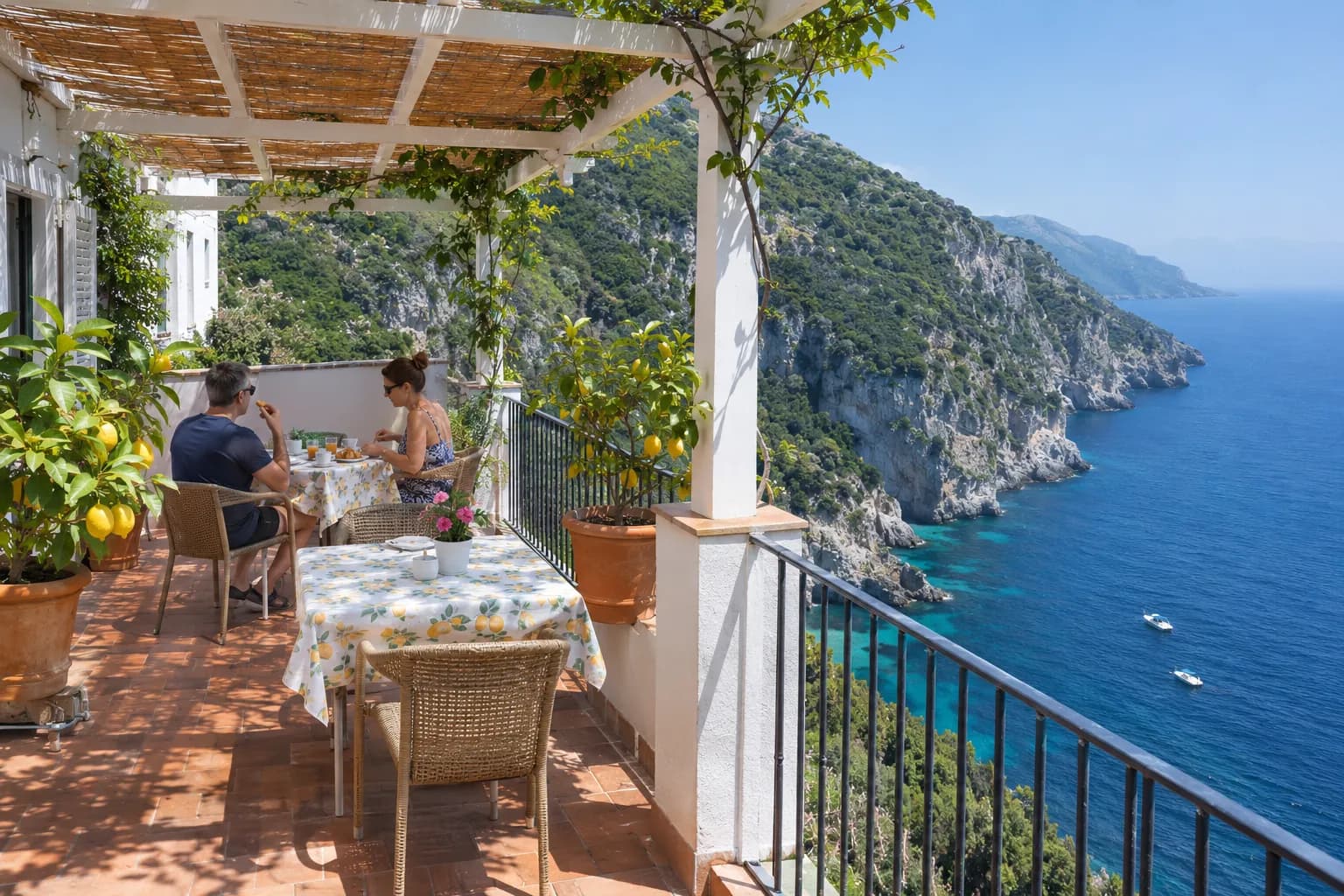
Rome, Naples, Amalfi and the islands
A new Roman palazzo hotel, a family resort, the Naples seafront, Sorrento, an Amalfi cliff with sea lifts, Capri, Ischia’s thermal spas and ancient Paestum.
Corinthia Rome
A 5-star, 60-room hotel with 21 suites in a palazzo long used by the Bank of Italy, near the Pantheon; its old vaults hold a two-pool spa.
Chef Carlo Cracco runs the restaurants, and valets park guests’ cars.
Rome Cavalieri, A Waldorf Astoria Hotel
A hotel with its own park and outdoor pools: guests use the pools free, the spa with Roman baths costs extra, and there is a kids’ club.
The pools open in spring and summer, weather permitting; a hotel shuttle runs to Via Veneto.
Royal Continental
A hotel on the pedestrian Naples seafront facing Castel dell’Ovo, with a floor of 24 rooms in Gio Ponti’s 1950s design and a seawater rooftop pool.
The seasonal pool takes bookings for up to two hours; there is a guarded garage.
Ara Maris
A 5-star Sorrento hotel for adults and children aged 10 and over; buffet breakfast is included and the heated garden pool opens March-October.
Guests get reserved spots at partner beach clubs Maya and Marameo, with transfers included.
Hotel Antiche Mura
A 52-room 4-star hotel by Piazza Tasso in central Sorrento: family and connecting rooms, a pool in a citrus garden and a buffet breakfast.
The station is under 5 minutes’ walk, beaches and port under 10; there is a garage.
Hotel Santa Caterina
A 5-star clifftop hotel a kilometre from central Amalfi: two lifts go down to a guests-only beach club whose service includes loungers, umbrellas and towels.
The club opens mid-April to October; the platform is not fully accessible, but staff help.
Grand Hotel Quisisana
A 5-star hotel opened in 1845 in Capri’s pedestrian centre, steps from the Piazzetta; its garden pool slopes gently, suiting children too.
Staff meet you at the port and handle luggage; the taxi stops a 3-minute walk away.
Regina Isabella
A 5-star hotel in a quiet bay at Lacco Ameno with its own thermal springs: a spa using thermal mud, four pools and two piers with loungers and umbrellas.
Thermal programmes are priced separately; the Metodo RI mud programme includes a doctor’s check.
Savoy Hotel & Spa
A Pagano family hotel by the Paestum pine woods: a park of over 20,000 m² with a black lava-stone pool, a spa and a sandy-beach club.
Beach Club 93 opens May-September, with a saltwater pool and loungers or a gazebo.
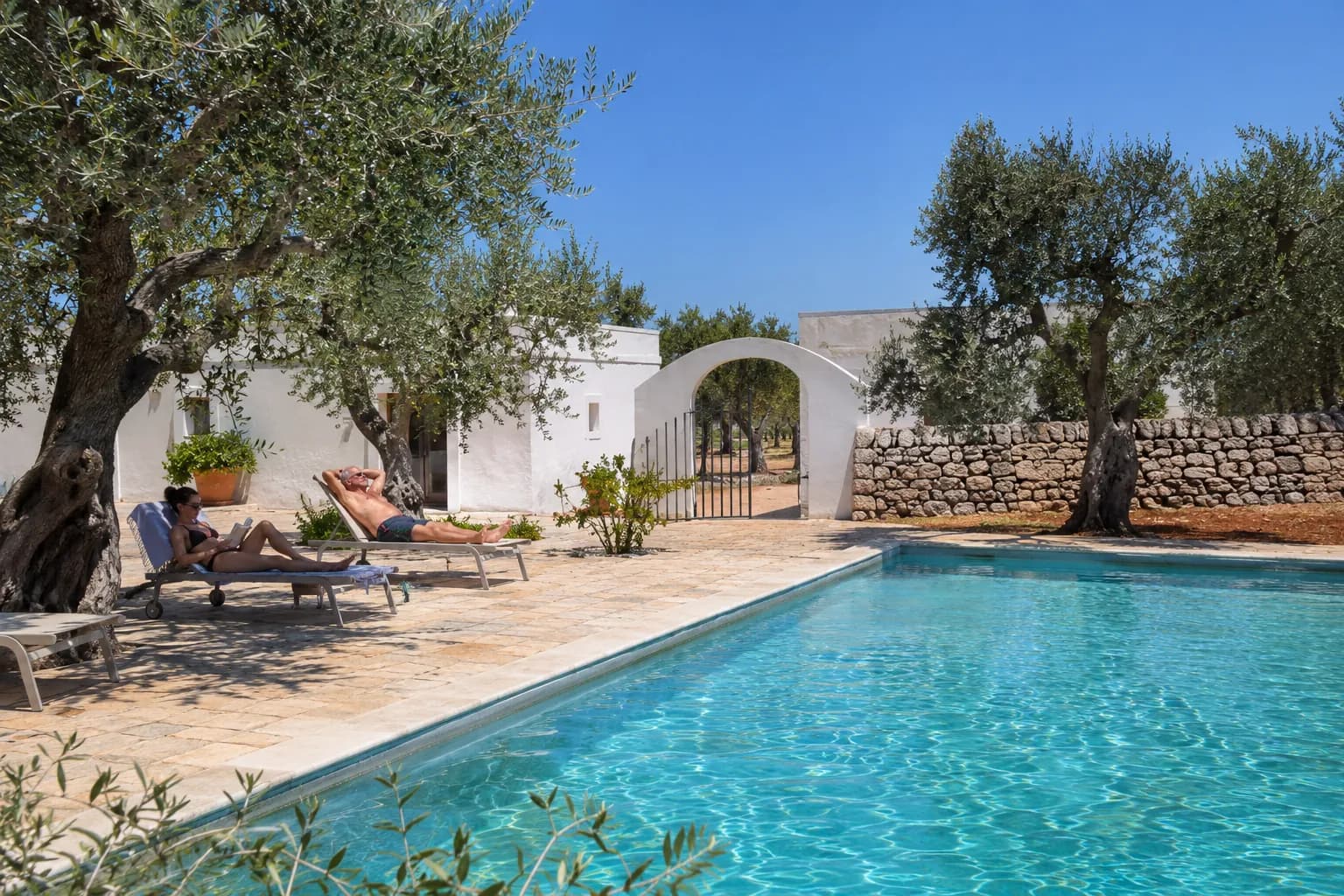
Puglia, Calabria, Sicily and Sardinia
From a seaside masseria and former convents in Tropea and Taormina to Sardinian beach resorts: hotels for couples, families and city breaks.
Masseria San Domenico
A 5-star masseria among olives near the sea at Savelletri (Fasano), for guests 14 and over: a brackish-water pool among rocks and 18-hole golf.
The sandy beach is down an olive-lined path; a shuttle runs to the beach club’s shallow cove.
Hotel Grotta Palazzese
A hotel above the cave restaurant in old Polignano a Mare: suites and Deluxe rooms look out to sea, most Premium rooms onto lanes; shuttle to a sandy beach.
In bad weather the cave restaurant may cancel bookings; children under 10 are welcome only at lunch.
La Fiermontina Luxury Home
A 5-star boutique hotel in a 17th-century farmhouse in Lecce’s historic centre, steps from the cathedral and Roman amphitheatre, with an olive garden and infinity pool.
The pool opens only in the hottest months; guest parking with valet service is free.
Villa Paola
An adults-only hotel (18 and over) in a former 16th-century convent on a headland above Tropea, with a sea-view infinity pool and breakfast included.
Open March to October; no hotel beach, but partner beaches nearby; no lift.
San Domenico Palace, Taormina, A Four Seasons Hotel
A 5-star hotel in a former 14th-century convent on a rocky promontory above the Ionian Sea in central Taormina, with a clifftop infinity pool and gardens.
Mazzarò beach is 1 km from the hotel, and the hotel team books loungers there.
Grand Hotel Ortigia
A 5-star Liberty-style hotel from the late 1800s on Ortigia, the old centre of Syracuse, with a rooftop restaurant overlooking the Porto Grande harbour.
Guest beach only in July and August; the boat shuttle is paid and spots cannot be booked.
Romazzino, A Belmond Hotel
A Costa Smeralda hotel first opened in the 1960s: 94 rooms and suites by a sandy beach looking out to the La Maddalena archipelago, plus a kids’ club.
Seasonal: closed in winter, opening in late May; a car or driver is recommended for outings.
Falkensteiner Resort Capo Boi
A 5-star family resort on a bay at Villasimius, inside the Capo Carbonara marine protected area: Falky Land for ages 3-16, breakfast or half board.
Beach loungers and umbrellas are included; the front row of umbrellas costs extra.
Hotel Catalunya
A year-round 4-star hotel in central Alghero with 121 rooms on floors two to eight, some looking over the sea, the harbour and the old town.
Family rooms face the public gardens; sea views come with other room types.
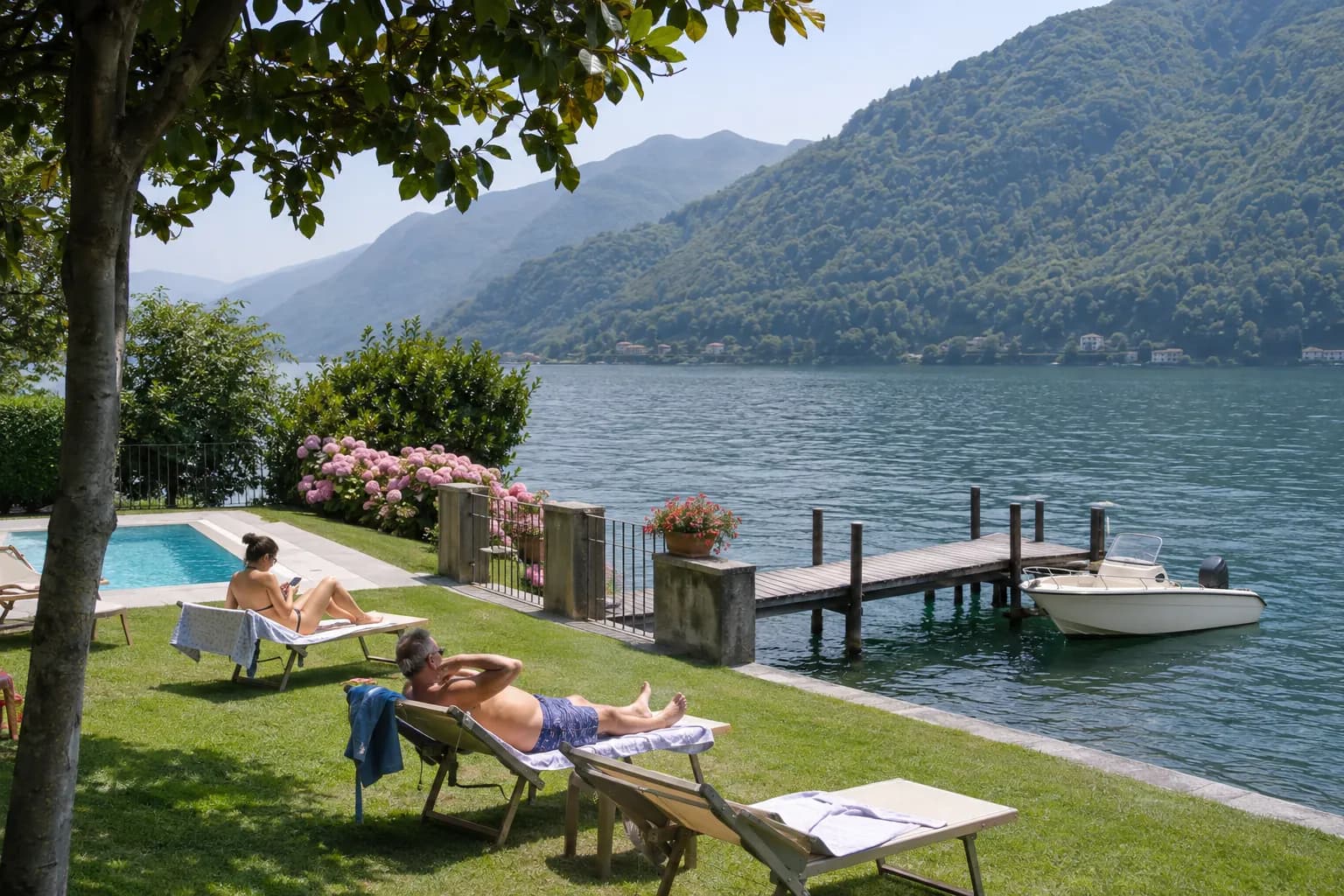
Lakes, Milan and Verona
Historic palaces on Como and Maggiore, a new family resort and wellness on Garda, hotels in the old centres of Milan, Verona and Bergamo.
Villa d’Este
A historic 5-star in Cernobbio on Lake Como: 151 rooms in a 16th-century cardinal’s residence and an 1856 pavilion, four villas and a 10-hectare park.
The free kids’ club takes children from age 3 and runs only in summer.
The Lake Como EDITION
A hotel on the western shore in Cadenabbia: a 19th-century palazzo facing Bellagio, 148 rooms including 24 suites, a floating pool and a private dock.
Not every room looks onto the lake - choose a Lake View category.
Falkensteiner Resort Lake Garda
A 5-star-standard resort in Salò: 85 rooms, apartments and villas, a 5,500 m² spa with five pools and slides, and a 1,500 m² kids’ Falkyland.
The rooftop spa is adults-only, while families have a separate family spa.
Lefay Resort & SPA Lago di Garda
A 5-star wellness resort whose rates include buffet breakfast, the 4,300 m² Lefay SPA, mountain bikes and a daytime shuttle to Gargnano.
Children up to 11 are accepted in limited numbers in dedicated rooms; saunas are 16+ only.
Galleria Vik Milano
A hotel and private museum of contemporary art inside the Galleria Vittorio Emanuele II in central Milan; some rooms have balconies over the Galleria.
Deluxe rooms face the courtyard or the street; for a Galleria view, book a Gallery category.
Grand Hotel des Iles Borromées
An Art Nouveau 5-star on Lake Maggiore in Stresa: the suite where Hemingway stayed, a 3,000 m² spa and pools in the park; the hotel is seasonal.
Attic rooms in the 1911 domes are smaller than standard ones but come at friendlier rates.
Hotel Colomba d’Oro
A 4-star hotel in Verona, a minute’s walk from the Arena: a 1337 palazzo with individually decorated rooms; Superior rooms sleep three, and some rooms have a terrace.
The hotel is inside the ZTL: give your plate number at reception and request the garage when booking.
Gombit Hotel
A small 4-star design hotel in Bergamo’s Upper Town, next to the 12th-century Gombito Tower: 15 rooms in four categories.
Superior and Deluxe rooms sleep three; for four, only the two-level suite will do.
The Dolomites and the Alps
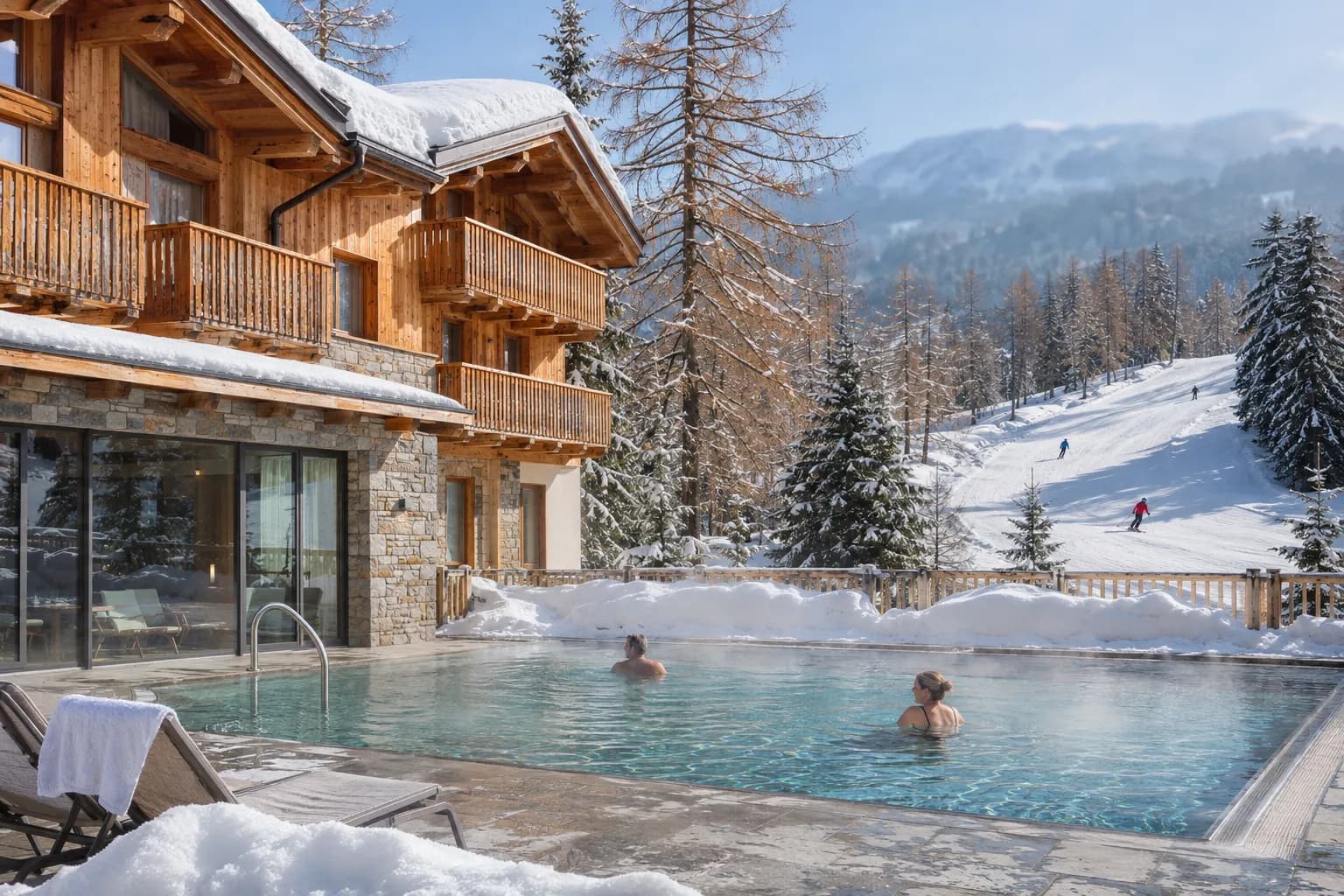
From spas in Ortisei and Pinzolo to lift-side hotels in Bormio, Courmayeur and Cervinia and an upcoming Cortina opening: hotels for skiers, families and couples.
Mandarin Oriental Cristallo, Cortina
The historic Cristallo, minutes from central Cortina d’Ampezzo, is set to open as a Mandarin Oriental with 84 rooms and suites.
In winter guests will head for the slopes, in summer for the trails around the hotel.
Casa Cook Madonna
A 50-room hotel for guests aged 16 and over in central Madonna di Campiglio, open in winter and summer, with breakfast or half board.
The spa is small: a sauna, a gym and two treatment rooms.
Lefay Resort & SPA Dolomiti
A spa resort in Pinzolo: rates include breakfast and the 5,000 m² spa, with a free winter shuttle to the gondolas and a kids’ club for 3-11.
Children up to 11 are accepted only in certain rooms and in limited numbers.
ADLER Spa Resort DOLOMITI
A 5-star spa resort with 9,000 m² of parkland in central Ortisei (Val Gardena): AKI Kids Club for ages 4 and up all year, and family suites.
The club team takes children aged 4 and up to group ski lessons; book lessons early.
Hotel Laurin Canazei
A 3-star hotel in central Canazei with lifts, shops and trails on foot, a garage space per room, a sauna, steam bath and a family room with a mezzanine.
The hotel also opens in summer, and the Val di Fassa Guest Card gives free valley transport.
Hotel Baita dei Pini
A 4-star hotel in central Bormio, 200 m from the lifts and close to the thermal baths; lift passes are sold at the hotel, rooms come with breakfast only.
In summer, lunch is served in the garden too; the spa is closed to under-14s.
Hotel Lac Salin Spa & Mountain Resort
A 4-star superior hotel in Livigno at 1,816 m with a 1,200 m² spa, two family rooms with a loft and three spa suites.
Half-board dinner: buffet starters and desserts, with a choice of first and main courses.
Le Massif Hotel & Lodge Courmayeur
A 5-star hotel opposite the lifts in central Courmayeur, below Mont Blanc; guests’ skis are kept at its La Loge du Massif chalet on the slopes.
Open in summer too; pets up to 25 kg for a fee, and not in every room.
Hotel Hermitage Cervinia
A stone chalet hotel among Breuil-Cervinia’s larches, run by the Neyroz family for half a century, with a spa pool, 300 m from the ski area.
The hotel also opens in summer, when Cervinia’s 18-hole golf course is in play.
Chapter 4 of 6Experiences and trips
What to see and where to set off from
Cities and museums, Pompeii and the volcanoes, islands and coastlines, lakes and mountains, fun for children, and food with wine. Each card says where to set off from, what to book ahead and how much time to allow.
The label above a card shows how long the visit or route itself takes according to the place; add the journey from your hotel and back separately.
Cities and art
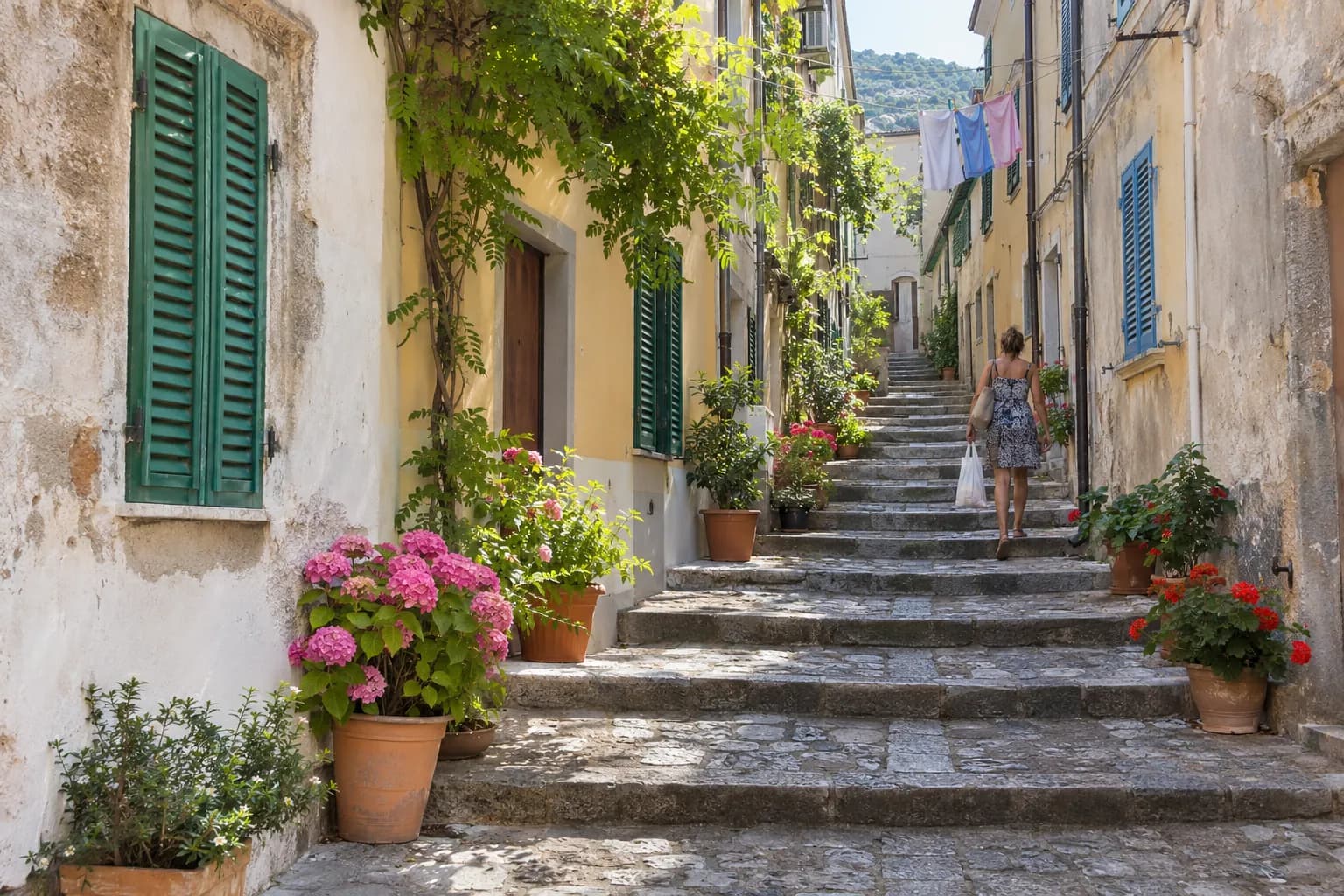
Rome’s Colosseum and the neighbouring Vatican, Florence’s Uffizi and David, Venice’s lagoon islands, Milan’s Last Supper: book timed tickets early.
Colosseum, Roman Forum and Palatine
A 1st-century amphitheatre, the Forum, centre of public life for over a millennium, and the imperial palaces on the Palatine; the combined ticket lasts 24 hours.
Named tickets with timed Colosseum entry go on sale 30 days ahead; bring ID and sturdy shoes.
Vatican Museums and St. Peter’s Basilica
A separate 44-hectare state: the museums and Sistine Chapel open Monday to Saturday except holidays, and on the last Sunday of the month, when entry is free.
Cover shoulders and knees, no hats; no photos in the Sistine Chapel; buy tickets online only on the official site.
Uffizi and the Accademia Gallery
The Uffizi holds Giotto, Botticelli, Leonardo, Raphael and Caravaggio; the Accademia has Michelangelo’s David, 1501-1504, 5.17 m tall with its base.
Both close on Mondays; book an Accademia time slot, and with no cloakroom there, large backpacks are refused.
Murano and Burano islands
Murano is seven islands where Venice moved its glassworks in 1291; Burano is a fishing island of hundreds of colourful houses, with a lace museum.
Vaporetti leave from Fondamenta Nove, line 12 for Burano; the Lace Museum closes on Mondays.
Leonardo’s Last Supper
Painted in 1494-1498 in the refectory of Santa Maria delle Grazie, not as a fresco but on dry plaster; UNESCO-listed since 1980.
Booking is required for everyone, even infants; sales open quarterly; arrive 30 minutes early; closed Mondays.
Pompeii, volcanoes and antiquity
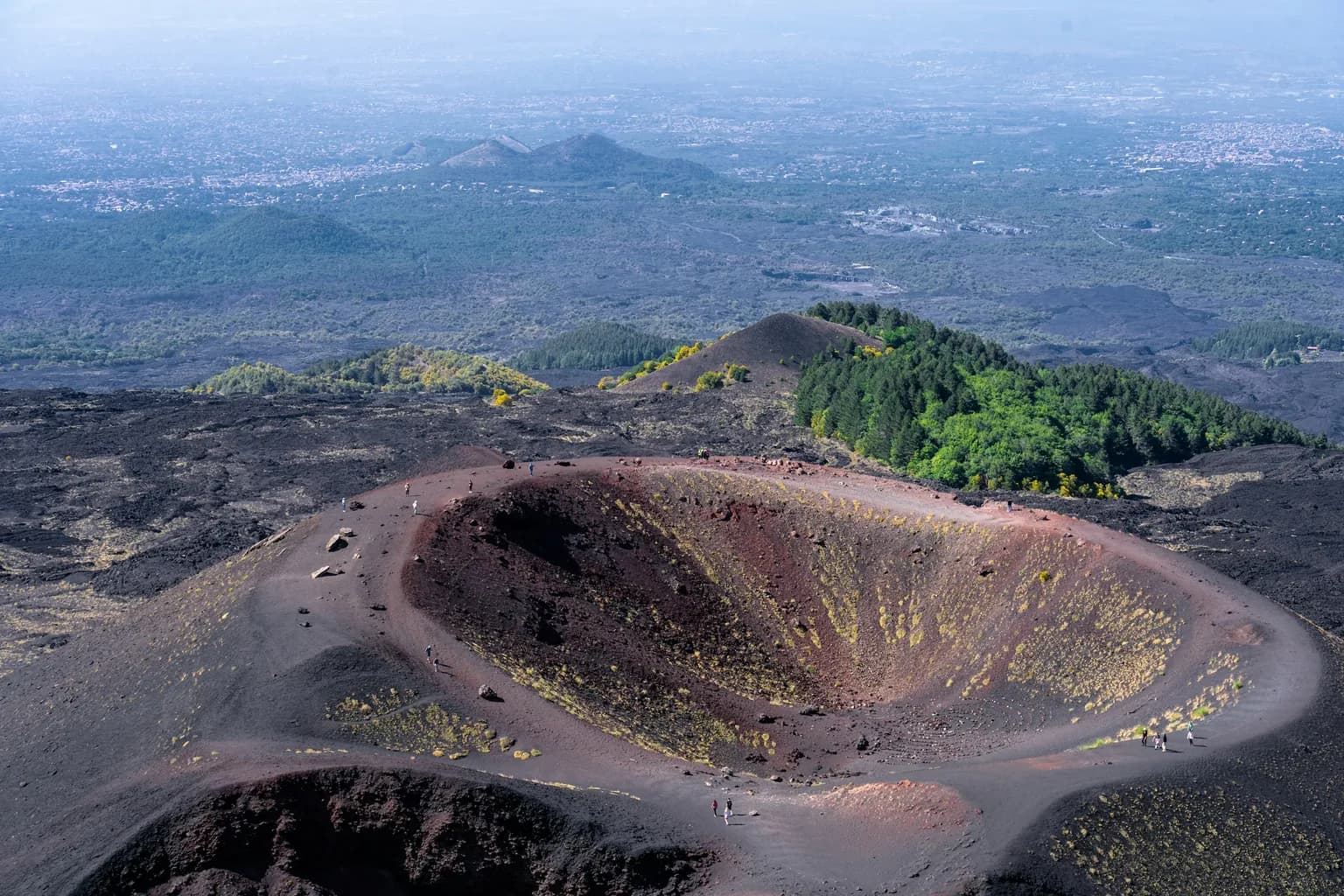
From Naples and Sorrento: Pompeii, Herculaneum and Vesuvius; from Salerno: Paestum; in Sicily: Etna and Agrigento.
Pompeii excavations
Buried by Vesuvius under ash in AD 79: 66 hectares, over 40 of them excavated; tickets carry your name, with a limit of 20,000 visitors a day.
Take the Circumvesuviana Naples-Sorrento train to Pompei Scavi - Villa dei Misteri station; paths are uneven, so wear comfortable shoes.
Herculaneum
Buried under about 20 m of volcanic material in AD 79: charred wooden furniture, doors and stairs survive; over 4 hectares are open to view.
The Circumvesuviana’s Ercolano Scavi station is about a 6-minute walk away; backpacks and umbrellas go into free storage.
Vesuvius crater
Trail 5 climbs from 1,000 m to viewpoints over a crater up to 580 m across, with fumaroles and views of the Bay of Naples.
Timed tickets are sold online only, from 30 days ahead; the trail closes on orange weather-alert days.
Paestum temples
Poseidonia, founded by Greeks from Sybaris around 600 BC: on about 27 hectares stand three Doric temples, the agora and the Roman forum.
Paestum station is about 800 m away; the 3-day ticket also covers the Velia excavations and the museum.
Mount Etna
A volcano over 3,300 m with almost continuous summit-crater activity: from Rifugio Sapienza, a cable-car and 4x4 tour climbs to about 3,000 m.
Summit craters only with alpine or volcanological guides and a helmet; access closes when the alert level rises.
Valley of the Temples, Agrigento
The remains of Akragas, founded by Greeks in 580 BC: the 5th-century BC Temple of Concordia kept both pediments because it became a church.
The park opens daily; from Palermo, Taormina or Syracuse it is a full-day trip.
Sea and islands
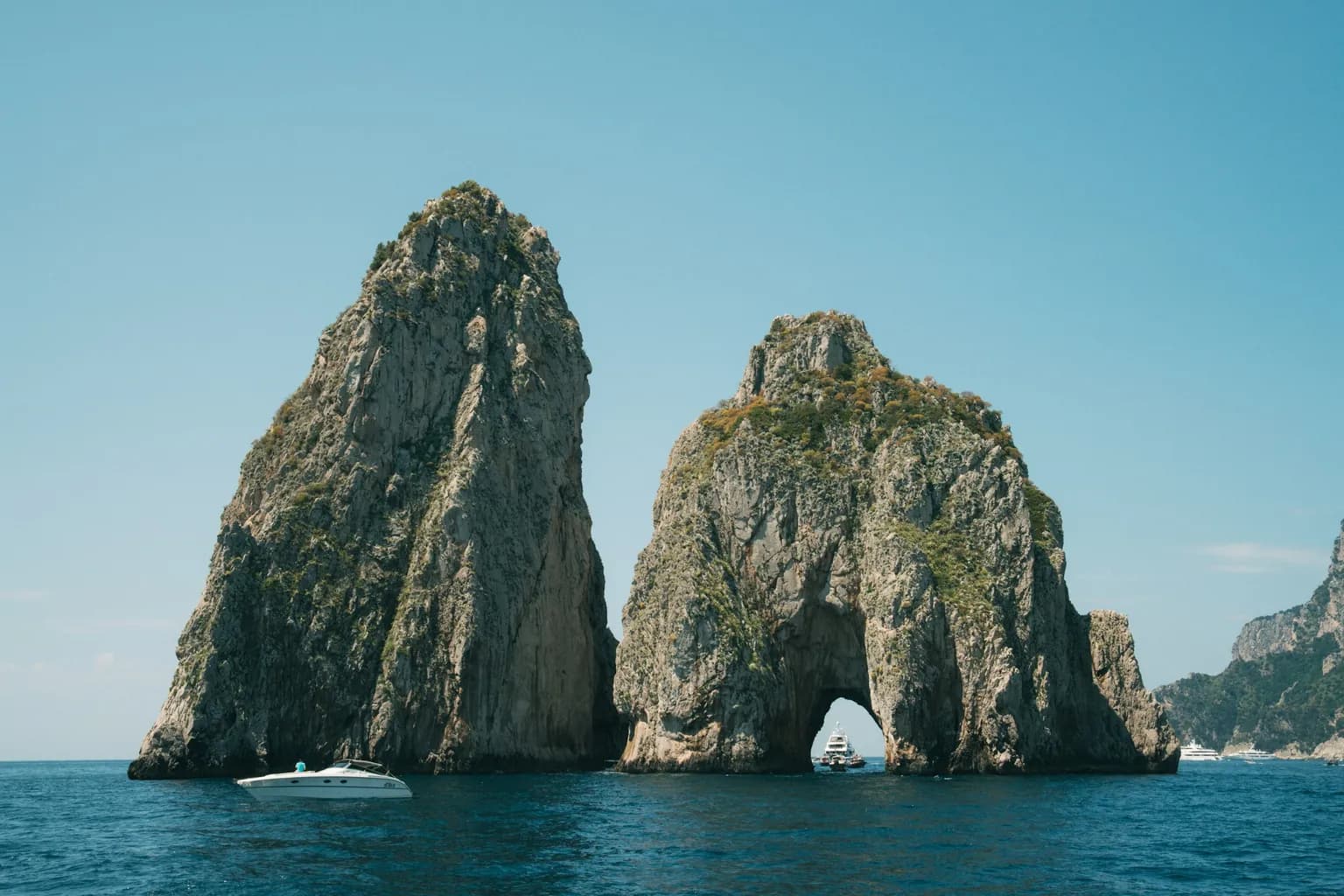
From the Cinque Terre trails and the Capri grotto to the Aeolian Islands and La Maddalena: trips that depend on the sea and weather.
Cinque Terre trails
The clifftop Verde Azzurro trail links five villages; the Monterosso - Corniglia stretch and the Via dell’Amore need a Cinque Terre Card, and sections are sometimes closed.
Book a time slot for the Via dell’Amore; closed non-slip shoes are mandatory, and trails close in bad weather.
Blue Grotto, Capri
A sea cave near Anacapri, entered lying flat in a rowing boat under a one-metre arch; closed in rough seas and usually from November to March.
Boats leave from Marina Grande; book entry online for free and pay on site, with the rowing boat paid separately.
Amalfi Coast by boat
Boats link Salerno, Maiori, Minori, Amalfi and Positano, and day tours by sea from Sorrento stop in Amalfi and Positano.
On scheduled boats, each leg needs its own ticket, from the pier office or online; bad weather can cancel sailings.
Ischia thermal gardens
Gardens with thermal pools by the sea: Negombo in San Montano Bay and Poseidon in Citara Bay, with about 20 pools; open April-October.
Children enter thermal pools from age 12 at Poseidon and above 1.40 m tall at Negombo.
Aeolian Islands
Seven volcanic islands off Sicily’s north coast, on the UNESCO list; Lipari has sailings all year from Milazzo, Messina and Naples, and from Palermo in summer.
Stromboli’s eruptions are watched from boats at dusk; hike alone only on lower paths, higher up with an authorised guide.
La Maddalena Archipelago
A national park of 62 islands and islets off Sardinia’s north-east coast; tours and boat hire to Budelli start from the Costa Smeralda, Palau and La Maddalena.
Budelli’s Pink Beach: from afar only, no landing or swimming; Cala Coticcio on foot only with a guide.
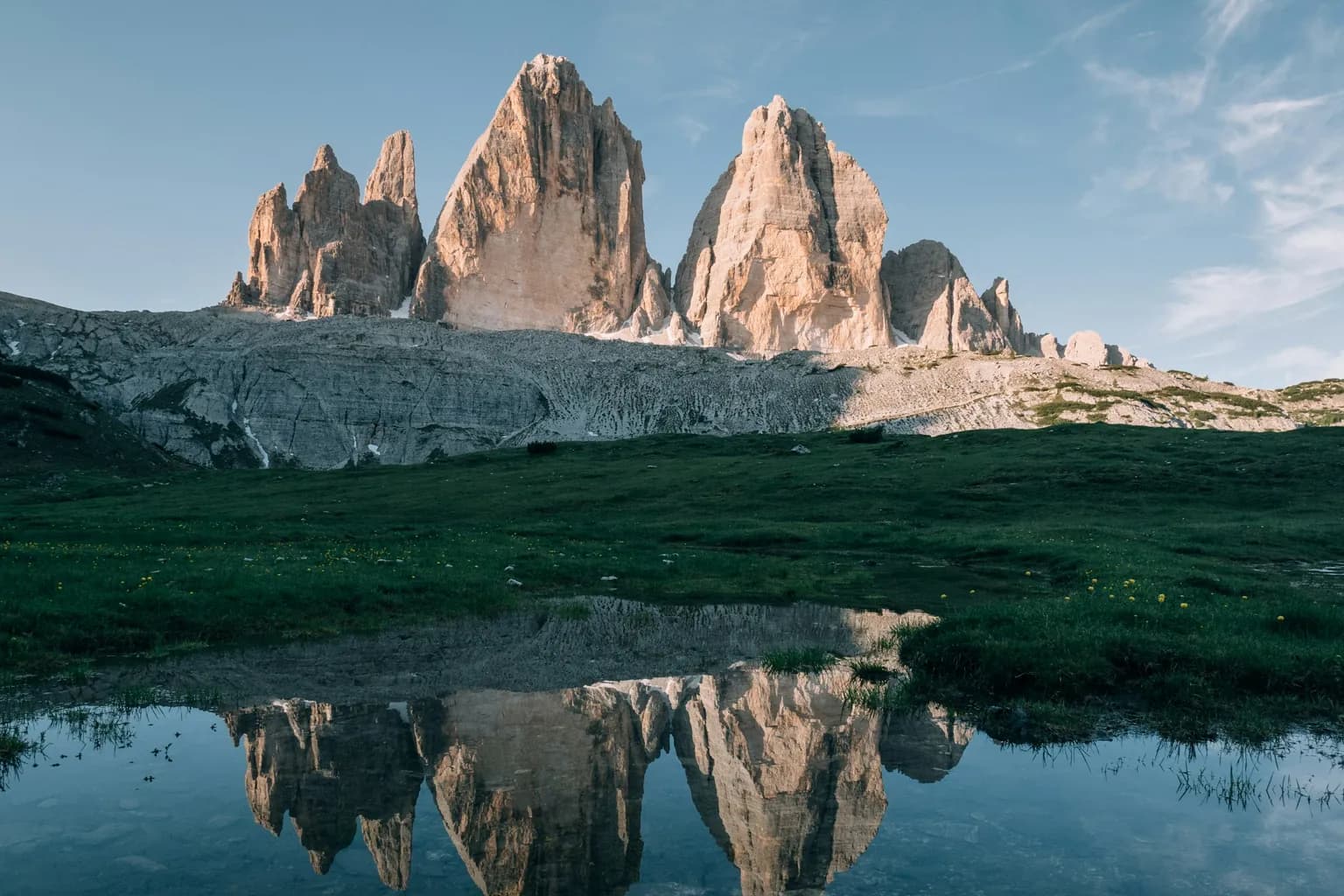
Lakes and mountains
Lake Como boats, Dolomites and Mont Blanc lifts, the Tre Cime loop and the Bormio baths: trips from lake and mountain bases.
Lake Como by boat
Boats and fast craft run from Como along the lake, and a central-lake ferry links Bellagio, Cadenabbia, Varenna and Menaggio.
Fast craft carry a supplement; summer brings queues at ticket offices, and bad weather can cancel sailings.
Alpe di Siusi and Seceda in summer
From late May to early November, lifts from Ortisei serve the Alpe di Siusi plateau and Seceda, with walks for children and via ferratas.
While the cable car runs, private cars are barred from the plateau by day; parking in Ortisei is limited.
Tre Cime di Lavaredo
The loop around the three peaks from the Auronzo hut is about 10 km with a 400 m climb; trails are snow-free late June to late September.
The toll road from Misurina needs an online booking for your plate; in summer, buses run from Cortina d’Ampezzo.
Bormio thermal baths
Three thermal centres: the historic Bagni Vecchi, known to the Romans, and the Bagni Nuovi park in Valdidentro, plus Bormio Terme in central Bormio.
Bormio Terme: a 60 cm-deep children’s pool that suits babies too, and an adults’ area from age 16.
Skyway Monte Bianco
Skyway climbs from its base station near Courmayeur (1,300 m) via Pavillon (2,173 m) to Punta Helbronner (3,466 m), about 10 °C in summer.
Not advised for babies under one; the glacier is for mountaineers or those with a mountain guide.
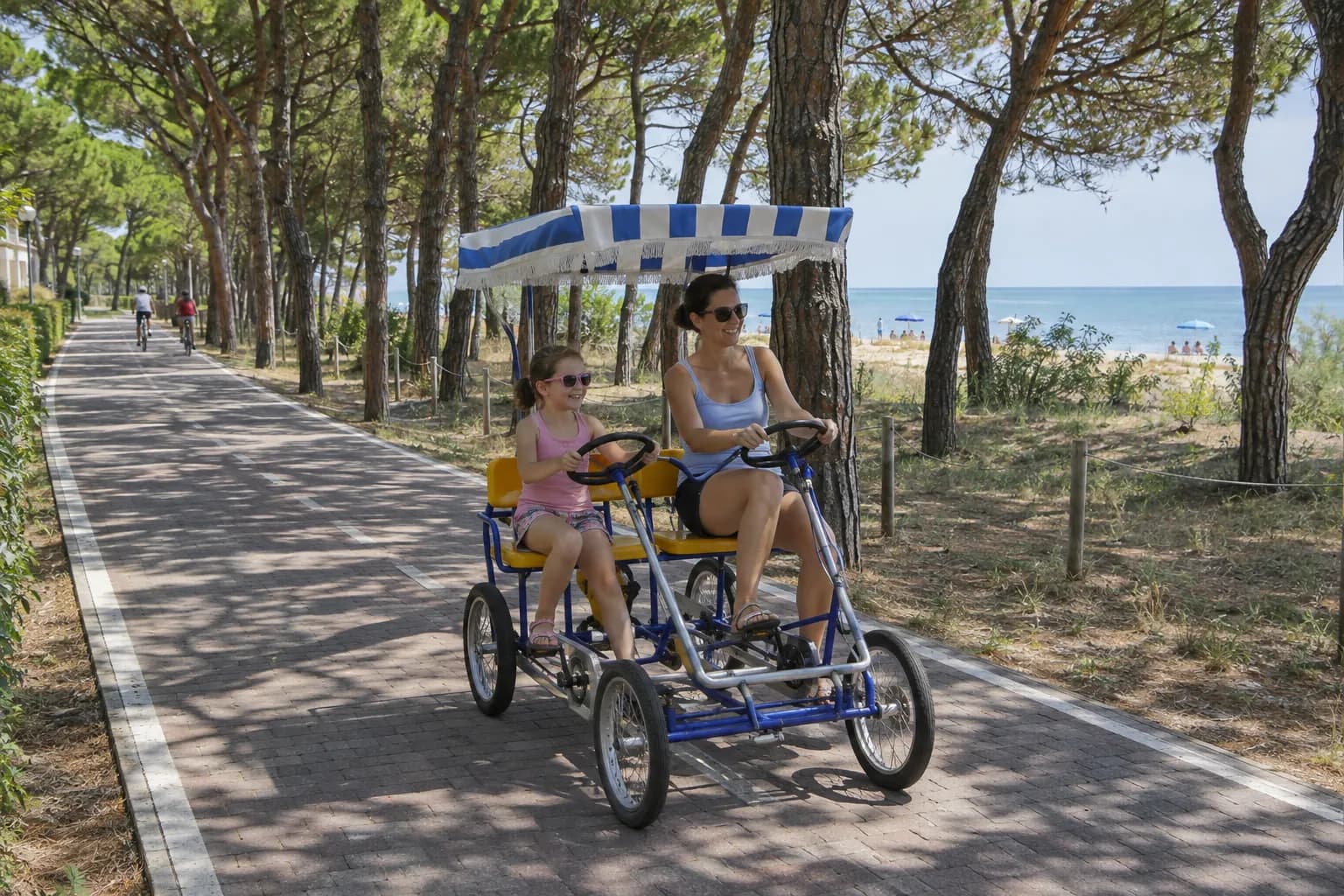
For the whole family
From Gardaland and the Genoa Aquarium to the parks near Ravenna and Rimini, the separate state of San Marino and Rome’s Bioparco.
Gardaland by Lake Garda
The park near Peschiera del Garda on the lake’s southern shore: a caterpillar coaster and monorail for little ones, water rides and roller coasters for older kids.
A free shuttle runs from Peschiera station; the water park costs extra, and under-12s need an adult.
Genoa Aquarium
The aquarium in Genoa’s Porto Antico, a 10-15 minute walk from Piazza Principe station, keeps about 10,000 animals of 400 species, including dolphins, penguins and manatees.
Booking a date and time slot is mandatory, and re-entry is not allowed; the route is pushchair-friendly.
Mirabilandia near Ravenna
The park in Savio opens on set calendar days, not every day; bus 176 runs from Ravenna, Cervia, Milano Marittima and Lido di Classe - Lido di Savio station.
Katun and iSpeed coasters take riders from 140 cm and age 12; a kids’ coaster starts at 90 cm.
Italia in Miniatura
A park 5 km north of central Rimini with miniatures of Italian and European landmarks and a Venice five times smaller than the real one, toured by gondola.
Bus 8 from Rimini; kids’ driving school: ages 6-12, at least 110 cm; fewer rides open in winter.
Republic of San Marino
A separate state near Rimini whose old town is on the UNESCO list; it uses the euro, with no border formalities for anyone legally in Italy.
Buses run daily from Rimini; from Borgo Maggiore, a cable car climbs to the old town in under 2 minutes.
Bioparco, Rome’s zoo
Rome’s zoo, opened in 1911, covers 17 hectares in the Villa Borghese gardens and opens daily except 25 December; tram 19 stops at Bioparco.
The big-cat enclosures and reptile house close an hour before the park; no pushchairs in the reptile house.
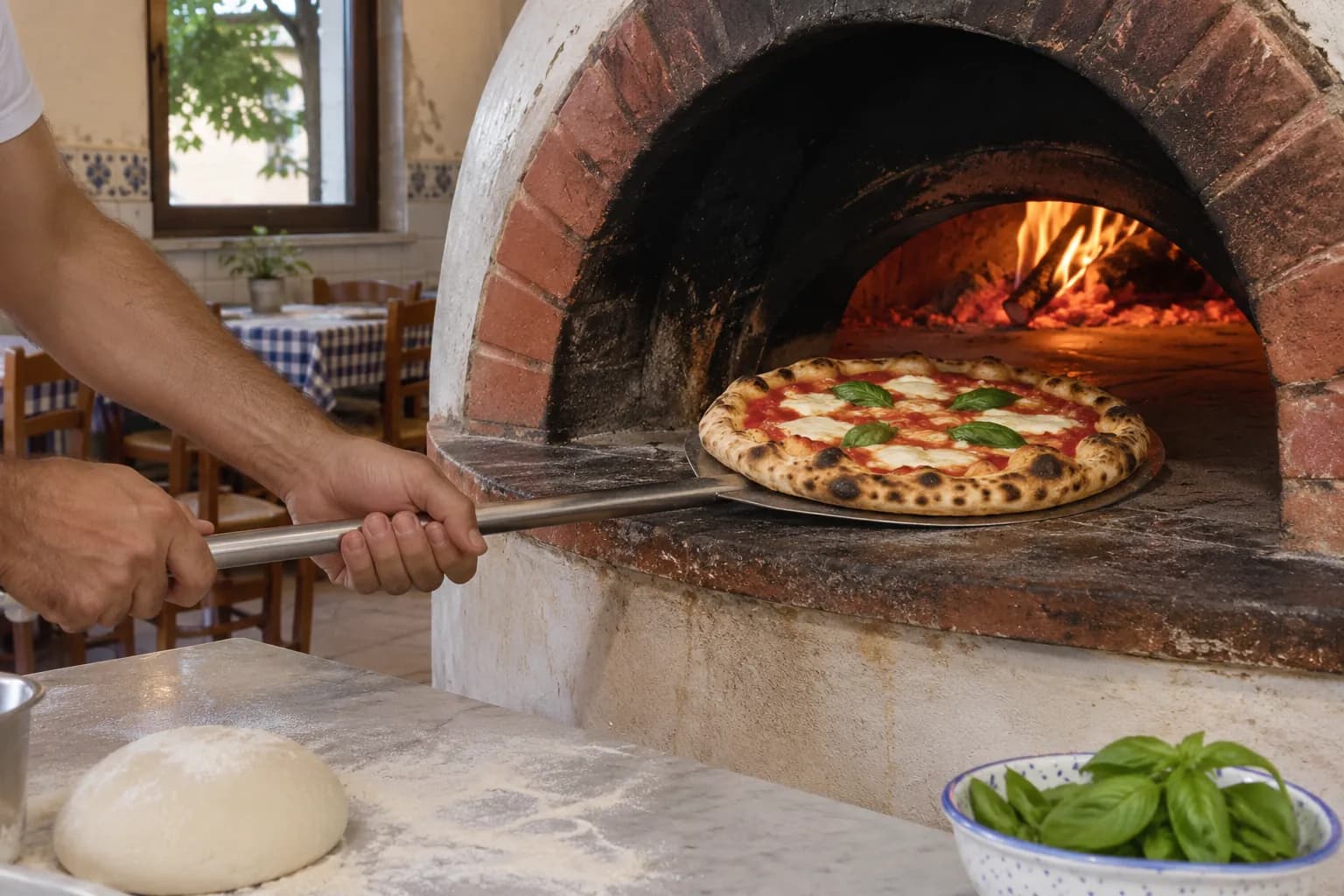
Food and wine
Prosecco from the Veneto hills, Parma cheese and ham, Chianti wines and Naples pizza; alcohol is sold and served only from age 18.
Prosecco Hills
The hills between Conegliano and Valdobbiadene, 50 km from Venice, have been on the UNESCO list since 2019: vineyards on narrow grassy terraces and steep slopes.
The Prosecco Road links tasting wineries from Conegliano to Valdobbiadene; in autumn, walk or cycle the 15 km Prosecco ring.
Parmigiano Reggiano and Parma ham
Parmigiano Reggiano is made daily from milk, salt and rennet only, in Parma, Reggio Emilia, Modena and parts of Bologna and Mantua provinces; aged 12+ months.
Book dairy visits on the consortium website; ask for Parma ham to be sliced thin in front of you.
Chianti wines
Chianti Classico is a separate wine from Chianti, made from Sangiovese in the hills between Florence and Siena; castles and wineries hold tastings, and visits can be booked.
Driving to tastings? One of you stays off the wine; drink-drive limits are in the travel chapter.
Neapolitan pizza
The art of the Neapolitan pizzaiuolo has been on UNESCO’s intangible heritage list since 2017: dough of flour, yeast, water and salt, baked in a wood-fired oven.
At least three styles: thin “cartwheel”, classic and “canotto” with a puffy rim; street pizza comes folded “a portafoglio”.
Chapter 5 of 6Seasons, entry and travel
When to go to Italy, entry and the journey
The season by the sea, in the cities and in the mountains, entry with a Ukrainian passport, the journey by plane, car or bus and local rules. Rules checked on 2 November 2026; confirm them for your dates and route before paying.
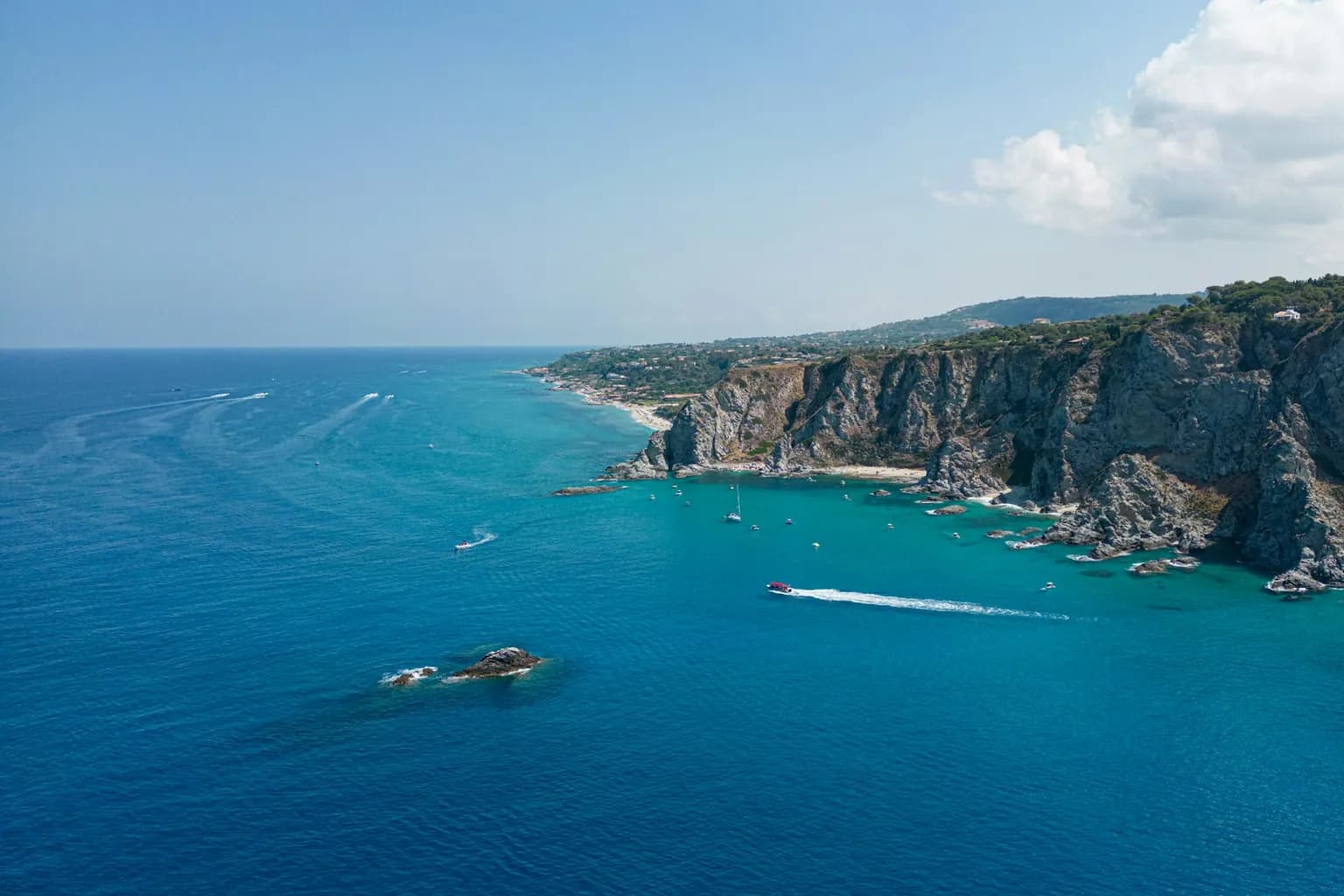
The season by the sea, in the cities and in the mountains
Adriatic and Liguria
best: June; possible: May, September; heat or peak season: July, August
The legal bathing season runs from the third week of May to the third week of September; Rimini’s stabilimenti may open from Easter, without lifeguards. July-August is warmest: average highs of 29 °C in Rimini and 28 °C on the Ligurian Riviera (1991-2020 normals).
The south and the islands
best: June, September; possible: May, October; heat or peak season: July, August
The south and the islands are hotter: Cagliari, Olbia and Capri average highs of about 32 °C in July-August, 28-29 °C in June and September and about 24 °C in May and October (1991-2020 normals).
Cities and lakes
best: May, September, October; heat or peak season: June-August; wettest: November
For cities and lakes, May, September and October are the most comfortable: Rome averages highs of 22-27 °C. June to August is hot, 28-32 °C in Rome and 28-31 °C in Milan and Verona, and November is the wettest month (1991-2020 normals).
Mountains in winter
best: December-March
Lift operators open and close the season by snow and weather; Cervinia’s ski pass rules call published dates only a guide. At 2,100 m, from December to March, 14-21 days a month stay below freezing even by day (Paganella, 1991-2020 normals).
Mountains in summer
best: July, August; possible: June, September
Trentino’s mountain huts must stay open at least from 20 June to 20 September. At 2,000 m, July-August average highs are about 16 °C, with thunderstorms on 7-8 days a month (Passo Rolle, 1991-2020 normals): keep an eye on the forecast.
Summer sea temperature
Sea off Sicily up to 27 °C
That is how warm the water gets in midsummer; in winter it stays around 16 °C. So the swimming season on the island is long, from May to October.
Peak of the summer holidays
Ferragosto: 15 August
Millions of Italians are away and the beaches fill with umbrellas. The art cities empty out, yet many museums stay open: according to Italy’s tourism portal, Florence, Rome or Bologna can be seen without the tourist crowds.
On the slopes: helmet and insurance
No helmet: €100-150 fine
Helmets are compulsory for everyone downhill skiing, snowboarding or sledging, not just under-18s. On ski runs you need third-party liability insurance, offered when you buy the ski pass; without it, the same fine applies and the pass is withdrawn.
Entry with a Ukrainian passport
With a Ukrainian biometric passport
90 days visa-free
Within any 180 days, and only with a biometric passport. The limit covers the whole Schengen area: days in other Schengen countries, including a stopover or the drive there, count too.
Passport validity
Passport: 3 more months
Count from your planned exit from the Schengen area, not just from Italy. If your passport expires sooner, replace it before you book the trip.
EES registration
Photo and fingerprints
The EES takes them with your passport data at the Schengen external border; without biometrics you will not be let in. Since 10 April 2026 it records every entry and exit, and overstaying can bring a 1-3 year ban on entering Italy.
Electronic travel authorisation
No ETIAS needed yet
The system is not running or taking applications yet; the EU will announce the start date months ahead. Then everyone will need one, children included: apply only on the official EU website, €20, free under 18 and over 70.
Cash at the border
Declare €10,000 or more
All cash and equivalent assets are added up and declared in writing to customs when entering or leaving Italy, including from EU countries, so driving in from Austria or Slovenia too. Undeclared, at least half the excess can be seized, with a fine from €900.
Documents and funds at the border Officers may ask about accommodation, return tickets and funds: alone, €269.60 total for 1-5 days or €44.93 a day for 6-10 days; less each for two or more. Ukrainian Border Guard rules cover a child’s exit, including the other parent’s consent.
Declaration of presence Flying in from outside Schengen, border registration counts as the declaration; entering from another Schengen country, file it at the provincial questura (police headquarters) within 8 days. A hotel or other tourist accommodation establishment does it for you; filing late, barring force majeure, risks expulsion.
Medical insurance Non-EU visitors who are not enrolled in the National Health Service pay regional tariffs for medical care. So it is worth taking out travel health insurance for injuries and illness before you leave.
Temporary protection This is a separate basis, not the 90/180 visa-free tourist stay: under EU Directive 2001/55/EC, people who lived in Ukraine before 24 February 2022 can get an Italian residence permit through the questura. This section covers tourist trips.
Flights and onward travel
Toll motorways
15 days to pay a missed toll
On most motorways you take a ticket on entry and pay on exit: yellow lanes are Telepass only, blue ones take cards without a PIN, cash desks take cash. If payment fails you get a slip: pay online with no surcharge, or fees are added later.
ZTL zones in historic centres
ZTL fine: €83-332
Do not drive into a limited traffic zone without a permit: cameras record entries, and people living abroad can be sent the notice within 360 days. With a hire car the renter is liable, so the fine comes to you.
By air with a connection
- Overland to an airport in a neighbouring country
- Flight to Italy
- Transfer to your hotel
There are no direct flights from Ukraine, so people fly from neighbouring countries. Bologna Airport, for example, has direct flights to Chisinau, Iasi and Suceava, Krakow, Warsaw and Budapest; destination lists change with the seasons.
By car through the EU
- EU border
- Hungary, then Slovenia or Austria
- Vignettes in transit countries
- Italian toll motorway
From Ukraine you drive through several EU countries, for example Hungary and then Slovenia or Austria, which is where you cross into Italy. From Austria the Brenner Pass leads onto the A22 motorway towards Bologna.
By bus from Lviv
- Bus from Lviv
- Stop in Venice, Milan or Rome
- Transfer to your hotel
FlixBus, among others, sells tickets from Ukraine to Italy: according to the operator, the fastest trip from Lviv takes about 24 hours to Venice, about 30 to Milan and about 32 to Rome.
Arrival airports
Italy has about 40 airports, found in almost every region. Domestic flights link the cities and fly from the mainland to Sicily, Sardinia and the smaller islands. Pick an airport in the region of your base for a shorter transfer.
High-speed and regional trains
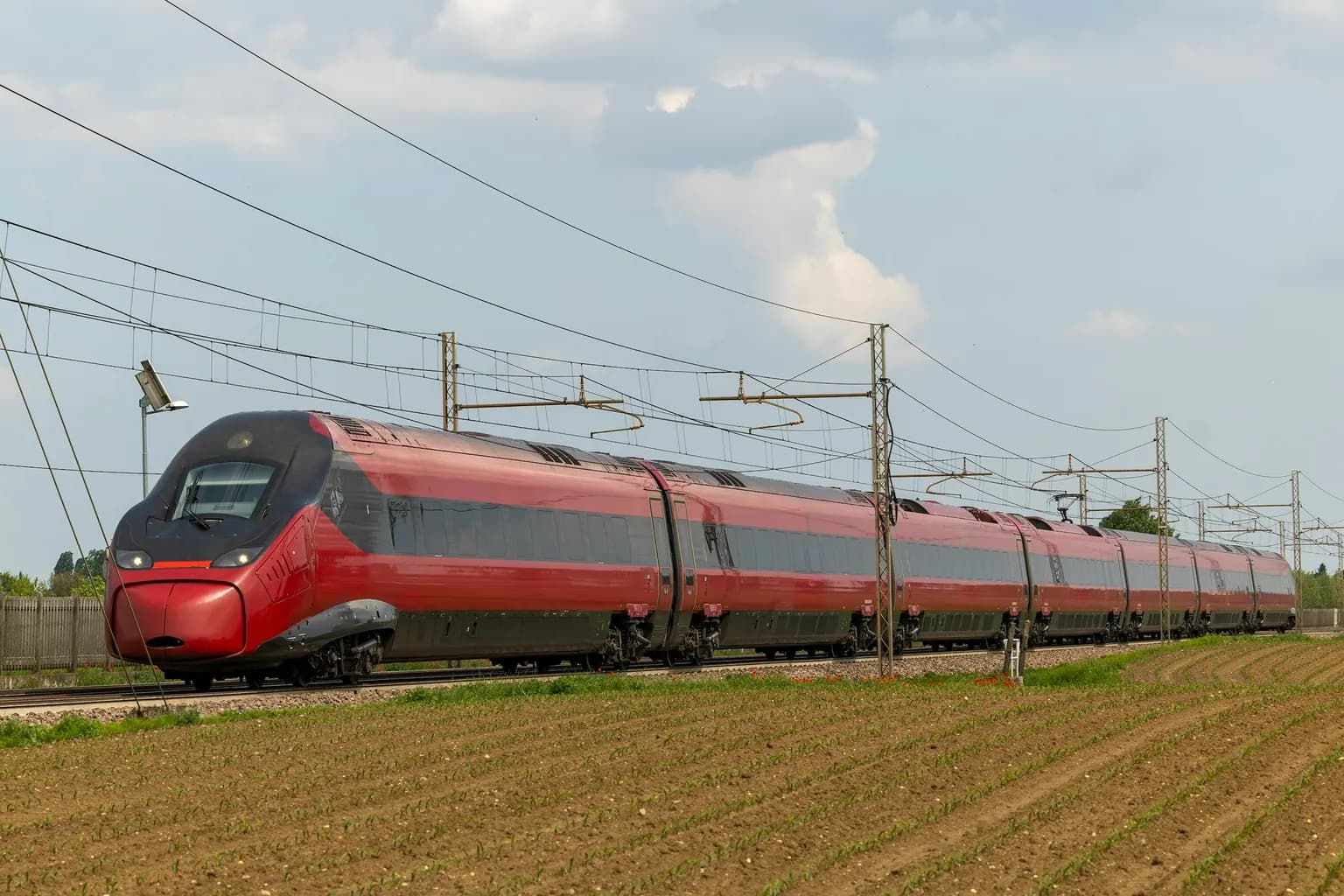
High-speed Trenitalia Frecciarossa, up to 300 km/h, and Italo trains link the big cities, while regional trains also reach small towns. Validate a paper regional ticket in a station machine before departure and finish within 4 hours; electronic and digital ones need none.
Ferries to the islands
Moby ferries, among others, sail to Sardinia from Genoa, Livorno and Civitavecchia and to Elba from Piombino. Caronte & Tourist crosses the Strait of Messina to Sicily, and Caremar runs every day of the year from Naples to Capri and Ischia, and to Capri from Sorrento too.
Time and sockets
Italy uses Central European Time: UTC+1 in winter, UTC+2 from early spring; clocks change on a Saturday night. Sockets are types C and L, multistandard ones also take a Schuko plug; power is 220 V, 50 Hz. Supermarkets sell adapters, most hotels have them.
If you drive
Licence and driver documents Drive on the right, with dipped headlights always on outside built-up areas. A Ukrainian licence is valid with an international driving permit or an official Italian translation; rental firms ask the same. Your own car needs its registration and a Green Card or border insurance.
Speed limits and Tutor cameras Limits: 130 km/h on motorways and 110 on main extra-urban roads, 110 and 90 in rain or snow; 90 on other roads, 50 in towns. On motorways Tutor measures average speed between two gantries, so braking at a camera does not help.
Alcohol and driving The limit for drivers is 0.5 g/l of alcohol in the blood, and zero for drivers under 21 or in their first 3 years with a licence. Above 0.5 g/l the fine starts at €543, plus a temporary driving ban.
Winter tyres and chains From 15 November to 15 April, on extra-urban roads marked with the sign, cars need winter tyres or snow chains on board. Chains must fit your tyres and go at least on the driving wheels.
Hungarian and Slovenian vignettes Motorways in Hungary and Slovenia are tolled: buy an e-vignette linked to your plate before you drive onto them. Hungary’s weekly pass lasts 10 days, Slovenia’s 7; driving without one costs a €300 fine in Slovenia, while Hungary gives you 60 minutes to buy it.
Austria: vignette and the Brenner Austrian motorways require a vignette. A 1-day or 10-day one bought online can start at once, but online 2-month and annual ones start only on the 18th day. The A13 to the Brenner Pass and several tunnels are paid separately.
Odd-even plates on the Amalfi Coast On peak holiday days, by day, the SS163 coast road is closed to cars whose plate ends in an odd digit on odd dates and in an even digit on even dates. Hotel guests with a booking may arrive and leave; motorbikes and scooters are exempt.
Money, beaches and local rules
Money and cards
Cash payments under €5,000
The currency is the euro. The cap applies to any payment between different parties, and splitting it up is not allowed; pay more by card or transfer. Visa, Mastercard, Maestro and American Express are widespread, big cities take phone payments, and bank ATMs run 24 hours.
Tourist tax in Rome
Tax up to €10 a night
That is per person in 5* hotels; 4* is €7.50, while 3*, B&Bs and short-term rentals are €6. Non-residents of Rome pay for at most 10 consecutive nights in one place; children under 10 are exempt. Other cities set their own rates.
Emergencies
Call 112
Free, no prefix: police, Carabinieri, fire brigade, coast guard or ambulance. Campania and Veneto are still bringing in the single 112 centre, so know the other numbers too: 113 police, 115 fire, 118 ambulance, mountain rescue included.
Paid and free beaches
Free access to the water
The shore is state property: a paid beach (stabilimento) runs under a concession, a free beach (spiaggia libera) is open to all. Concession holders must let you through to the waterline, including to swim; regions set the balance of paid and free stretches and access points.
Sand and shells in Sardinia
Fine up to €3,000
Taking, keeping or selling even a little sand, pebbles, stones or shells from the coast or sea is banned, minimum €500; fines are issued at ports and airports too. Walking on dunes or sleeping outside permitted areas is fined separately, a cigarette butt from €30.
Day trip to Venice
Entry fee up to €10
Italian law lets Venice charge it for arriving in the historic centre and lagoon islands by any transport, as an alternative to the tourist tax. The city sets the days, rate and exemptions, so check the terms on the official site before a day trip.
Dress code in Milan and Venice cathedrals Milan Cathedral turns away sleeveless or low-cut tops, shorts, miniskirts and hats. In St Mark’s Basilica in Venice shoulders must be covered and men remove hats; backpacks over 40x30x20 cm and wheeled cases are not allowed.
Timed museum entry Rome’s Galleria Borghese admits only booked visitors, in groups at the start of each hour, for two hours; even free tickets for under-18s must be booked. On the first Sunday of each month state museums and sites are free, but required bookings still apply.
Coperto, smoking, drones and Rome’s fountains
Coperto in restaurants It is a separate cover charge on a restaurant bill. In Lazio, the region around Rome, the law bans adding it, and prices must be visible before you order, outside too for restaurants. Elsewhere, look for coperto on the menu.
Smoking Banned in enclosed public places except marked smoking rooms, in cars with under-18s or pregnant women aboard, on school grounds and outside children’s and maternity hospital wards. Fines run €27.50-275, doubled near pregnant women or children under 12.
Drones Drones from 250 g, or lighter with a camera or microphone: the operator must register, in Italy on the d-flight portal with a QR code on each drone, and hold third-party liability insurance. Toys need no registration. Some zones restrict or ban flights.
Rome’s fountains and steps Fountains and their steps are not for bathing, sitting or climbing; tossing a coin is fine. Reaching the Trevi basin costs tourists €2. Don’t sit on monuments, and carry suitcases and buggies on the Trinità dei Monti steps. Bathing in a fountain is fined from €160.
Chapter 6 of 6Comfort and comparison
Comfort details: children, room, transfer
Mark the conditions you need for a comfortable holiday. These are preferences for planning, not a guaranteed service: the offer for your dates will show what is actually possible.
Quiet room
Away from late-night streets, the railway and the restaurant. We will ask about the floor and the side of the building.
A place on the beach
Sunbeds and umbrellas are often rented from a beach club. Tick this if a beach place should be included, and we will check.
Gentle way into the sea
A gently sloping sandy shore suits little ones better than pebbles or rocks. Tick this if it matters, and we will find the right coast.
Step-free route
Old towns and slopes mean many steps, and cliff-top hotels have a lift or stairs to the sea. Tick this if anyone finds climbing hard.
Meal plan
Breakfast, half board or full board. Tick what you prefer, and we will check what the chosen hotel’s price includes.
Parking at the hotel
If you come by car, parking and access matter: many city centres are closed to outside cars. Tick this, and we will check the hotel’s arrangements.
Private transfer
After a late arrival or a long journey, a car of your own is easier than a shared transfer with several stops.
Child seat in the transfer
Give the children’s ages and number so the car has the right seats.
Family room layout
Separate bedrooms, a family room or an apartment instead of one room. Say how many beds you need.
Questions before your request
Can we save several options while we decide?
Yes. Save, say, Rimini and Sicily with hotels in both while you choose dates. In your request, say what the choice depends on: the beach, the cities nearby or the budget.
What should we put in the request?
A budget guide, where you can fly from or how you will travel, and what matters most: the sea, cities, lakes or mountains. Exact dates and your group come at the booking step. The wish list does not book a tour.
Wishes on your list: 0
Your Italy trip is taking shape
Your saved options will carry over to the request form. There you can add a budget and your own wishes, then enter dates and your group at the details step.
Your list is empty for now. You can go ahead with a request and describe the Italy holiday you need.
Wishes stay in this browser until you reset them or the form’s submission is confirmed.
Destination search: Italy
Search opens with your chosen country. You choose the dates, travellers, meals and transport.
Send an enquiry to discuss the trip and current terms with DAMAX. An enquiry does not reserve a tour or require payment.
Questions about your choice?
Tell us what matters for your trip in your preferred messaging app. A hotel name or offer link will help us discuss the actual details.